Blog

  • Common Types of Civil Law Cases: From Contracts to Torts

    Common Types of Civil Law Cases: From Contracts to Torts

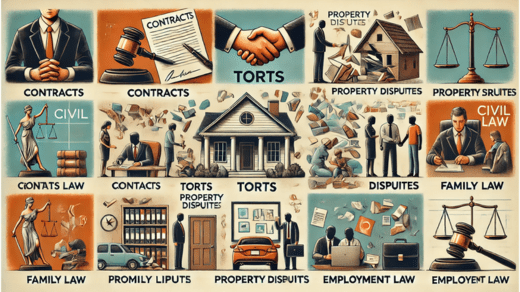
    Civil law encompasses a broad range of legal disputes that involve private individuals or entities. Unlike criminal law, which deals with offenses against the state or society, civil law addresses conflicts between people or organizations, typically involving compensation or specific performance rather than punishment. Understanding the common types of civil law cases can help individuals and businesses navigate these legal matters effectively. From contracts to torts, civil law is integral to ensuring justice in personal and professional relationships.

    1. Contract Disputes

    Contract disputes are among the most prevalent civil law cases. A contract is a legally binding agreement between two or more parties, where each party promises to perform certain actions or refrain from doing something in exchange for a benefit. When one party fails to uphold their part of the agreement, a breach of contract occurs, potentially leading to a lawsuit.

    Common examples of contract disputes include:

    • Employment Contracts: Disputes between employers and employees over wage agreements, job responsibilities, or wrongful termination.
    • Real Estate Contracts: Disputes involving property sales or leases, such as disagreements over payment, property condition, or the terms of a lease.
    • Service Agreements: Conflicts between businesses and clients regarding the delivery or quality of services rendered, such as a contractor failing to complete work on time.

    Contract disputes typically seek remedies such as damages (monetary compensation), specific performance (requiring the breaching party to fulfill their obligations), or cancellation of the contract.

    2. Torts: Personal Injury and Negligence

    Tort law covers civil wrongs that cause harm or injury to another person. Unlike contract disputes, tort cases do not involve an agreement between parties but instead focus on wrongful acts or negligence. The most common types of tort cases include:

    • Personal Injury Claims: These arise when one person suffers harm due to another’s negligence, such as in car accidents, slip and falls, or medical malpractice cases. The injured party (plaintiff) can seek compensation for medical expenses, lost wages, pain and suffering, and other related damages.
    • Defamation: Defamation cases involve false statements that harm a person’s reputation. This can occur through slander (spoken) or libel (written). To win a defamation case, the plaintiff must prove that the statement was false, damaging, and made without privilege or protection.
    • Product Liability: In product liability cases, manufacturers or sellers can be held liable for injuries caused by defective products. This includes cases where a product’s design, manufacturing, or labeling is faulty, leading to consumer harm.

    Tort law is essential in holding individuals or companies accountable for their actions (or inactions) that cause harm to others.

    3. Family Law Cases

    Family law covers a range of issues that arise within familial relationships. Civil court often handles family law cases, and while they can be emotional and complex, they are a crucial part of the legal system.

    Common family law cases include:

    • Divorce and Legal Separation: These cases involve the dissolution of marriage or legal separations. They often include the division of assets, spousal support, and child custody arrangements.
    • Child Custody and Support: Disputes over child custody and support can arise during or after divorce. Courts aim to make decisions that are in the best interests of the child, determining who will have legal and physical custody and how much child support the non-custodial parent should provide.
    • Adoption: Adoption cases involve the legal process of becoming a child’s parent, requiring court approval and following specific procedures to ensure the child’s welfare.

    Family law cases are deeply personal and can have long-term implications for those involved. Courts handle these cases with a focus on fairness, often prioritizing the well-being of children.

    4. Property Disputes

    Property disputes are another common type of civil law case. These cases arise over the ownership, use, or rights to land and real estate. They can involve both residential and commercial properties and often include the following:

    • Boundary Disputes: Conflicts between neighbors regarding the exact location of property lines.
    • Easements: Disagreements over rights to use part of another person’s property for specific purposes, such as utility access or shared driveways.
    • Landlord-Tenant Disputes: These involve conflicts between landlords and tenants, such as disputes over rent, property maintenance, or lease violations.

    Property disputes can be complex and may require extensive documentation, such as deeds, titles, and contracts, to determine the rightful ownership or usage rights of the property.

    5. Business and Commercial Disputes

    Businesses are often involved in civil law cases, particularly in disputes involving commercial activities or partnerships. These cases can range from conflicts between businesses to issues within a company.

    • Breach of Partnership Agreements: Disputes between business partners over financial decisions, management responsibilities, or profit-sharing arrangements.
    • Intellectual Property Disputes: These involve issues like copyright infringement, trademark violations, and patent disputes. Businesses often pursue legal action to protect their intellectual property from unauthorized use.
    • Business Torts: Business torts can occur when one business harms another through unlawful actions, such as fraud, misrepresentation, or interference with contractual relations.

    Business and commercial disputes often require specialized legal knowledge, and many companies opt to settle these cases out of court through negotiation or mediation.

    6. Civil Rights Violations

    Civil rights cases involve the violation of an individual’s rights guaranteed by law or the Constitution. These cases can be filed against government entities or private individuals and businesses.

    Some common civil rights violations include:

    • Discrimination: Cases where individuals are discriminated against based on race, gender, age, religion, or disability in employment, housing, education, or public accommodations.
    • Excessive Force or Police Misconduct: Victims of excessive force or unlawful arrests by law enforcement may file civil suits seeking damages for violations of their constitutional rights.
    • Freedom of Speech or Religion: Individuals can file cases when their rights to free speech, religion, or assembly are unlawfully restricted.

    Civil rights cases are vital in protecting individuals from abuses of power and ensuring equal treatment under the law.

    7. Probate and Estate Disputes

    Probate law governs the process of distributing a deceased person’s estate. Probate cases typically involve the execution of a will or the administration of an estate when no will exists.

    Common probate disputes include:

    • Will Contests: When heirs or beneficiaries challenge the validity of a will, claiming it was created under duress, fraud, or undue influence.
    • Estate Administration: Disputes over how an estate should be distributed or managed, especially when the deceased did not leave a clear will.
    • Trust Litigation: Conflicts over the management or distribution of assets held in a trust, often involving disagreements between trustees and beneficiaries.

    These cases can be complex, particularly when significant assets are involved or when family members disagree on the division of the estate.

    8. Class Action Lawsuits

    A class action lawsuit occurs when a group of people with similar claims collectively file a case against a defendant. These cases often involve large corporations and can range from product liability to employment law violations.

    Common class action cases include:

    • Consumer Protection: Lawsuits filed by consumers who have been harmed by defective products, misleading advertising, or unfair business practices.
    • Employment Law Violations: Cases involving wage theft, discrimination, or other unlawful employment practices that affect a large group of employees.

    Class action lawsuits allow individuals with smaller claims to pool their resources and seek justice collectively, often resulting in more significant settlements or changes to corporate behavior.

    Conclusion

    Civil law covers a wide array of legal disputes that affect individuals, businesses, and families. Whether it’s a breach of contract, personal injury, or a property dispute, civil cases are designed to provide a resolution to conflicts and offer remedies to those wronged. Understanding the common types of civil law cases—from contracts to torts—can help individuals and businesses better navigate their legal challenges and seek appropriate solutions when disputes arise.

  • A Beginner’s Guide to Corporate Law: Protecting Your Business Interests

    A Beginner’s Guide to Corporate Law: Protecting Your Business Interests

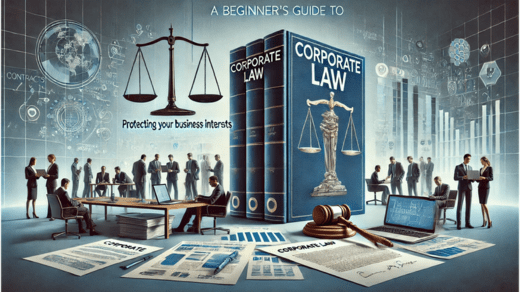
    Corporate law plays a pivotal role in safeguarding business interests, ensuring that organizations comply with regulations, and minimizing potential legal risks. For entrepreneurs, startups, or even seasoned business owners, understanding the basics of corporate law is essential for protecting the financial health and legal standing of a business. This guide provides an overview of corporate law and outlines key aspects to help businesses navigate legal challenges while promoting growth.

    What is Corporate Law?

    Corporate law governs the rights, relations, and conduct of businesses, organizations, and their stakeholders. It encompasses all the rules, regulations, and legal precedents that govern how corporations operate. Corporate law helps businesses operate smoothly, resolve disputes, protect their intellectual property, and ensure they comply with local, state, and federal laws.

    Corporate law covers various legal areas, such as:

    1. Business Formation
      One of the first steps in any business journey is choosing the right legal structure. Corporate law helps business owners decide between different forms of entities, such as sole proprietorships, partnerships, limited liability companies (LLCs), and corporations. Each structure has its own legal implications in terms of liability, taxation, and control.
    2. Contracts
      Contracts are at the heart of any business. From client agreements to supplier contracts, ensuring they are legally sound is crucial. Corporate lawyers can help draft, review, and negotiate contracts, ensuring all terms are clear and enforceable. They also play a key role in resolving contract disputes when they arise.
    3. Corporate Governance
      Corporate governance involves establishing and enforcing a system of rules, practices, and processes by which a company is directed and controlled. It includes the roles and responsibilities of a company’s directors, shareholders, and executives. Proper corporate governance ensures that the business is managed effectively and in the best interest of its stakeholders.
    4. Intellectual Property Protection
      Intellectual property (IP) is one of the most valuable assets for many businesses. Protecting trademarks, patents, copyrights, and trade secrets is essential for maintaining a competitive edge. Corporate lawyers assist businesses in registering and defending their intellectual property rights to avoid infringement.
    5. Employment Law
      Employees are a vital component of any business, and corporate law ensures that companies adhere to labor regulations. Employment laws cover a wide range of issues, including wages, working conditions, discrimination, termination, and employee benefits. Corporate lawyers help businesses comply with these laws and manage disputes with employees.

    How Corporate Law Protects Your Business Interests

    Corporate law is designed to protect your business from various legal risks. Here are some key ways it works:

    1. Limited Liability
      By choosing the right corporate structure, business owners can protect their personal assets from business debts and liabilities. For instance, forming an LLC or corporation limits the liability of the owners, meaning their personal assets are protected in case the business faces legal action or bankruptcy.
    2. Risk Mitigation
      A comprehensive understanding of corporate law helps businesses identify and mitigate risks. Legal professionals assist in setting up robust contracts, drafting effective policies, and complying with regulations that protect the business from costly litigation.
    3. Regulatory Compliance
      Compliance with local, state, and federal laws is essential for any business. Non-compliance can lead to hefty fines, penalties, and reputational damage. Corporate lawyers keep businesses informed about changes in laws and regulations, helping them avoid legal troubles.
    4. Dispute Resolution
      Business disputes can arise from various sources, including clients, partners, employees, or other businesses. Corporate lawyers are essential in resolving these disputes through negotiation, mediation, or litigation. A strong legal team can save time, money, and protect a company’s reputation.

    When to Consult a Corporate Lawyer

    While it’s important to have a basic understanding of corporate law, there are times when professional legal advice is necessary. Consulting a corporate lawyer can prevent future problems and provide guidance on complex issues such as mergers and acquisitions, securities law, or tax compliance. It’s essential to consult an attorney when:

    • Starting or restructuring a business
    • Drafting or reviewing major contracts
    • Handling disputes or potential lawsuits
    • Navigating regulatory changes

    Conclusion

    Corporate law is a critical aspect of running a successful business. From business formation to contracts, intellectual property, and employee relations, understanding the fundamentals of corporate law helps protect your business interests. Consulting with a corporate lawyer ensures that your company stays compliant, mitigates risks, and continues to grow without facing legal challenges.

    By investing time and resources in understanding corporate law, business owners can focus on what they do best: building their businesses.

  • 40 Key Consumer Protection Law Questions Answered

    1–10: Consumer Protection Rights

    What are consumer protection laws?

    Answer: These laws protect consumers from fraud, unfair practices, and unsafe products, ensuring transparency and fairness in transactions.

    What rights do consumers have?

    Answer: Common rights include the right to safety, information, choice, redress, and privacy.

    What is the purpose of a warranty?

    Answer: A warranty ensures a product’s quality and performance for a certain period and provides remedies if it fails.

    Also read:

    Is there the right to refusal to give back money for some purchase?

    If a product has no defects and there is clear policy regarding non-defective return of goods and products, they may do this.

    What are the differences between manufacturer’s and extended warranty?

    The difference is one of the existence – the manufacturers warranty comes attached to the goods. An extended warranty is extra, bought add-on, guarantee for extended length of time

    Answer: It is an unwritten promise that a product will perform as promised, sometimes required by law.

    Can a business advertise “no refunds”?

    Answer: Yes, but such a policy cannot supersede legal requirements to remedy defective or misleading products.

    What is product liability?

    Answer: It imposes liability on manufacturers and sellers for products that injure because of defects or inadequate warnings.

    What are deceptive trade practices?

    Answer: Such practices as false advertising, bait-and-switch tactics, or misrepresenting the quality or features of a product.

    What should consumers do if they receive faulty products?

    Answer: Request a repair, replacement, or refund and escalate the matter to consumer protection agencies if unresolved.

    11–20: Contracts and Agreements

    What is a cooling-off period?

    Answer: A time frame (e.g., 3–14 days) allowing consumers to cancel certain contracts without penalty.

    Are verbal agreements enforceable?

    Answer: Verbal agreements can be legally binding but are harder to enforce without written proof.

    What are unfair contract terms?

    Answer: Terms that create a significant imbalance, such as hidden fees or excessive penalties, and may be deemed unenforceable.

    Can a consumer cancel an auto-renewed subscription?

    Answer: Yes, most jurisdictions require clear disclosure and an easy cancellation process.

    What is a binding arbitration clause?

    Answer: A contract term that states that disputes should be arbitrated rather than litigated, often reducing the legal remedy available.

    Can a hidden contract term be enforced?

    Answer: No, if not clearly disclosed, terms may be void under consumer protection laws.

    Are businesses obligated to disclose all fees upfront?

    Answer: Yes, and this is mandated to prevent hidden charges.

    What happens if a company fails to deliver on a contract?

    Consumers may demand specific performance, compensation, or cancel the contract.

    What is a deceptive contract?

    Answer: A contract containing language that is misleading or ambiguous about the contract’s terms.

    Can a business impose cancellation fees?

    Answer: Yes, provided the fees are reasonable and made known in the contract.

    21–30: Advertising and Sales Practices

    What is false advertising?

    Answer: Misrepresenting a product’s features, benefits, or price, which is illegal.

    What is bait-and-switch advertising?

    Answer: Selling a product at an attractive price to attract consumers but promoting a more expensive version.

    Can businesses sell final sale items?

    Answer: Yes, but these items must still meet minimum quality standards unless defects are clearly disclosed.

    What are a consumer’s rights during a product recall?

    Answer: Consumers are entitled to free repairs, replacements, or refunds for recalled items.

    Can businesses enforce “all sales final” policies?

    Answer: Only for non-defective products; defective products must still be in compliance with consumer protection laws.

    What are predatory sales practices?

    Answer: Aggressive or deceptive practices that take advantage of consumers, such as high-pressure sales or misinformation.

    Can a business charge more than the advertised price?

    Answer: No, charging more than the advertised price is a violation of consumer protection laws.

    What is truth-in-advertising?

    Answer: Laws that require businesses to be truthful about product claims, prices, and availability.

    What is comparative advertising?

    Answer: Competitive advertising comparing the product to other products, including truthful and nonmisleading advertising.

    Can companies advertise “limited availability” in order to drive sales?

    Answer: Yes. Claims must be legitimate and not misleading.

    31–40: Digital and Contemporary Consumer Concerns

    What consumer rights exist in online purchases?

    Answer: Generally the same rights as for brick-and-mortar purchases, such as return policies, accurate description, and protection against fraud.

    Can a retailer deny a consumer’s right to refund a digital good?

    Only when the digital product is delivered according to the description and is not defective.

    What is phishing and how are the consumers protected?

    Answer: The phishing scam will seek personal information fraudulently. Laws like GDPR or CCPA impose strong data protection measures.

    Can online platforms share consumer data without consent?

    Answer: No, data privacy laws like GDPR and CCPA require consumer consent for data sharing.

    What if an online order is not delivered?

    Answer: Consumers can request refunds or replacements, and e-commerce laws often mandate timely delivery.

    Can subscription services raise prices without notice?

    Answer: Most laws require advance notice of price increases, giving consumers time to cancel.

    What are consumer protections for peer-to-peer marketplaces?

    Answer: Platforms often offer dispute resolution processes and buyer protection policies.

    Can businesses refuse returns for items on sale?

    Answer: Sale goods are just like ordinary goods, wherein faulty sales goods can be taken back or replaced by the consumer.

    What is digital goods protection?

    Answer: The laws which guarantee consumers to get a refund or replacement of flawed digital goods, such as applications or software.

    What is identity theft protection in consumer law?

    Answer: FCRA and other similar laws hold mechanisms for dispute settlement and damage recovery in cases of identity theft.

  • 30 Education Law Scenarios Explained in Detail

    1–10: Student Rights

    A student wears a shirt with a provocative slogan to school.

    Explanation: Students have First Amendment rights to free speech, but the school can limit students’ clothing if it incites a disruption or violates the school’s dress code policy.

    A student refuses to participate in the Pledge of Allegiance.

    Explanation: The student cannot be coerced into participating in the Pledge because he or she is protected by the First Amendment.

    A teacher searches a student’s backpack without permission.

    Explanation: Searches must be based on reasonable suspicion and must be conducted in a manner proportional to the suspected violation.

    A student is suspended for posting a video criticizing a teacher online.

    Explanation: Schools can discipline students for off-campus behavior if it disrupts the school environment, but the punishment must align with free speech rights.

    A student is denied admission to a public school due to their immigration status.

    Explanation: Under Plyler v. Doe, all children have a right to public education regardless of immigration status.

    Also read:

    A school requires all students to attend religious assemblies.

    Explanation: Public schools cannot make anyone participate in religious activities since church and state must be separated.

    A student wants to start a religious club at school.

    Explanation: Schools have to permit religious clubs if they allow other non-curricular clubs under the Equal Access Act.

    A student protests a school policy by walking out during class.

    Explanation: Students have the right to peaceful protest but may face consequences for missing class, provided the punishment is non-discriminatory.

    A school confiscates a student’s phone during class.

    Explanation: Schools can enforce rules about phone use but must follow clear policies regarding confiscation and return.

    A school bans hairstyles commonly associated with a particular race.

    Explanation: Such policies may violate anti-discrimination laws and could be challenged under civil rights protections.

    11–20: Discipline and Behavior

    Student suspended without being given a hearing.

    Explanation: Due process entitles students to notice of charges and the opportunity to respond before suspension.

    Student expelled for bringing a pocketknife to school.

    Explanation: Zero-tolerance policies often apply, but schools must consider the student’s intent and provide due process.

    A student is disciplined for cyberbullying another student online.

    Explanation: Schools may sanction cyberbullying if its effect occurred on school grounds, even though the act itself occurred off campus.

    A teacher applies corporal punishment to misbehavior in the classroom

    Explanation: Corporal punishment is permitted in a few states but must follow state ordinances and district policies.

    Explanation: The use of restraint should be limited to extreme situations when a student’s safety is compromised and must adhere to both IDEA and state regulations.

    Student is punished for wearing cultural or religious clothing.

    Explanation: Schools may not single out cultural or religious dress unless they are deemed a threat to safety or cause a disruption.

    Parent contends that child was racially profiled to receive disciplinary action.

    Explanation: Discriminatory discipline can be challenged under civil rights laws such as Title VI.

    A school searches all student lockers without cause.

    Explanation: Blanket searches may violate privacy rights unless students are told that lockers are school property and subject to search.

    A student is suspended for refusing to take a drug test.

    Explanation: Schools can require drug testing for extracurricular activities, but broad testing may be challenged for privacy violations.

    A student is expelled for refusing to disclose personal social media accounts.

    Explanation: Schools cannot force students to reveal private account information unless connected to safety concerns.

    21–30: Special Education and Accessibility

    A school refuses to evaluate a child suspected of having a learning disability.

    Explanation: Schools are required to evaluate students under IDEA if there is evidence that the child may need special education services.

    A school denies an IEP to a child with ADHD because they do not qualify.

    Explanation: If it affects a child’s ability to learn, it can qualify for an IEP and they would need some form of specialized support.

    A child with a disability is denied a field trip.

    Explanation: The school is supposed to provide the accommodations to make sure all the children are included unless it presents undue hardship.

    A parent does not like the IEP created for their child.

    Explanation: Parents may file a complaint, request mediation, or obtain a due process hearing to address concerns.

    A school refuses to follow a 504 Plan.

    Explanation: Section 504 of the Rehabilitation Act requires accommodations for students eligible under the law, and failure to do so has resulted in court cases.

    Extracurricular activities are not available to an autistic child.

    Explanation: The Americans with Disabilities Act requires that reasonable accommodations be available to students with disabilities in extracurricular environments.

    A parent claims the school’s special education services are inadequate.

    Explanation: Parents can file a complaint with the state education agency or pursue legal remedies under IDEA.

    A visually impaired student is denied accessible textbooks.

    Explanation: Schools must provide materials in accessible formats under laws like the ADA and IDEA.

    A student with mobility issues is assigned a classroom on an upper floor without elevator access.

    Explanation: This violates accessibility requirements under the ADA, and accommodations must be made.

    A school isolates a child with behavioral issues in a separate classroom.

    Explanation: Isolation may violate the child’s right to the least restrictive environment under IDEA.

  • 30 Scenarios in Consumer Law Explained by Lawyers

    1–10 Product Quality and Warranties A product breaks within weeks of its purchase, and the store does not assist the customer. Explanation: The product may have an implied warranty of merchantability; it must be able to do what it was expected to do. The store must repair, replace, or refund.

    Extended warranty does not cover repairs as promised.

    Explanation: If the terms of the warranty are unclear or misleading, the company can be held liable for breach of contract.

    A customer purchases a “final sale” item that does not work.

    Explanation: Final sale items must meet the minimum quality threshold unless they were sold as-is with known defects.

    A repair under warranty takes months to complete

    Also read:

    Explanation: Warranty obligations may have been breached in allowing such long delays. In this case, the consumer has alternative remedies

    A customer is charged for repairs that should have been covered by warranty.

    Explanation: The charge of warranty-covered repairs violates the consumer’s rights, and the client may demand a refund.

    A product has collapsed after the expiration of the warranty.

    Explanation: Unless there is proof that defects occurred during the warranty period, most cases of obligation end with the final date of warranty expiration.

    A retailer refuses to honor a manufacturer’s warranty.

    Explanation: Retailers may not be obligated to honor manufacturer warranties, but manufacturers must fulfill their terms.

    A company denies warranty claims for minor misuse.

    Explanation: Companies cannot cancel warranties for technical or collateral misuse.

    A “lifetime warranty” product breaks down after 10 years.

    Explanation: Lifetime warranties usually refer to the product’s useful life, not the purchaser’s lifetime. Terms need to be defined.

    A service contract does not provide expected benefits.

    Explanation: Consumers may sue for breach of contract and seek refunds or specific performance.

    11–20: Billing and Sales Practices

    A consumer is charged twice for a purchase.

    ExPLANATION: The merchant must return the overcharge; disputes can go to the bank or credit card company.

    Advertising a product is one thing. Selling another thing altogether.

    Explanation: Bait-and-switch advertising is illegal; the customer should be able to demand the product advertised or complaint.

    Auto-Renew

    ExPLANATION: Auto-renewal where the consumer lacks notice is considered a violation in many jurisdictions. The consumer has the right to cancel and then request a refund.

    A salesperson misrepresents a product’s features.

    Explanation: Misrepresentation can lead to refunds or damages under deceptive trade practices laws.

    A customer is charged for unordered goods.

    Explanation: Unsolicited goods are considered gifts in many jurisdictions, and the consumer is not obligated to pay.

    A company bills a customer for a canceled service.

    Explanation: Continuing charges after cancellation can lead to legal action for breach of contract and unfair practices.

    A product is advertised at a low price but not available.

    Explanation: False advertising laws may require the seller to honor the advertised price or compensate the customer.

    A customer disputes fraudulent credit card charges.

    Explanation: The card issuer must investigate and resolve disputes under the Fair Credit Billing Act (FCBA).

    A business charges hidden fees not disclosed upfront.

    Explanation: Hidden fees violate transparency requirements, and customers can demand refunds or file complaints.

    A loan agreement contains ambiguous terms.

    Explanation: Truth-in-lending laws require lenders to provide clear terms. Ambiguities can render parts of the agreement invalid.

    21–30: Online and Digital Consumer Issues

    An online retailer fails to deliver a purchased item.

    Explanation: Consumers are entitled to a refund under e-commerce protection laws.

    A downloaded app does not work as promised.

    Explanation: The seller or platform may be liable for refunds under digital goods protection laws.

    An e-retailer does not accept return on defective merchandise.

    Explanation: There are requirements for return on defective goods in several jurisdictions even with respect to electronic sales.

    A consumer has unwittingly subscribed to a free trial offer with a month to month charge afterward.

    Explanation: Failure to properly disclose a charge is unlawful and consumers are able to claim refund.

    A peer-to-peer seller misstates an item for sale on a marketplace.

    Explanation: Marketplace has processes in place for disputes. The seller is potentially liable under misrepresentation doctrines.

    A website collects personal data without consent.

    Explanation: Laws like GDPR or CCPA require explicit consent for data collection, allowing consumers to file complaints.

    A digital product is removed after purchase without notice.

    Explanation: Consumers may demand a refund or replacement under digital rights management laws.

    An online ad leads to a phishing scam.

    Explanation: Platforms hosting fraudulent ads may be liable if they failed to act on reports of scams.

    A consumer is overcharged for an in-app purchase.

    Explanation: Platforms must refund incorrect charges under payment processing regulations.

    A streaming service increases prices without notice.

    Explanation: Price changes must be communicated clearly, allowing consumers to cancel if they disagree.

  • 5 Must-Follow Tips On How You Can Hire an Employer Attorney

    5 Must-Follow Tips On How You Can Hire an Employer Attorney

    Finding the best employer lawyer is, no doubt, a challenging task. For employers seeking guidance in navigating the intricacies of employment law, it’s necessary to choose the best resource for their legal needs.

    Unsure of how you can do so? No worries at all! Here, we’ve compiled some of the most essential tips that will help you make the right decision.

    1. Assess Your Legal Needs

    First of all, you need to invest your time in evaluating your unique legal needs before you start searching for an employer attorney. Reflect on the type of problems that you are facing.

    Do you have discrimination cases or wrongful termination, or have you signed unfavorable employment agreements? Specifying your requirements will assist you in finding a lawyer who can address the areas of employment law relevant to your case.

    2. Research Credentials and Experience

    Experienced attorneys often have a proven track record of handling cases similar to yours. You should enquire about their experience and credentials. Next, make sure that they have a solid educational background and extensive experience in employment law, which includes…

    • law school attended,
    • years of practice in the field, and
    • any certifications or memberships in the professional firm.

    Always choose an experienced employer attorney who has a proven track of handling cases similar to yours. This will make you more confident in their capabilities to advocate on your behalf like a pro.

    3. Read Client Reviews and Testimonials

    Client reviews and feedback are invaluable when choosing an employer lawyer. They provide reassurance and confidence by offering insights into how the lawyer communicates and handles cases with expertise and professionalism.

    Even Avvo or Martindale-Hubbell’s ratings may help you out. Such ratings elaborate client reviews effectively. Once you take them into account, you may get a clear understanding of what the attorney you intend to hire expects.

    4. Schedule Initial Consultations

    Most employer lawyers do not charge for an initial consultation with the client so you can benefit from a one-on-one discussion. During this meeting, you should ask multiple questions, such as

    • How would they deal with your case or any similar one?
    • What do their charges entail?
    • How do they plan to communicate with you throughout the process?

    A good lawyer should listen to your concerns attentively and answer your questions. You’ll get to know what they are doing and how they are doing it. In other words, you’ll assess the attorney’s experience, communication style, and suitability for your case.

    5. Evaluate Fees and Payment Structures

    Prior to hiring an employer lawyer, it’s crucial to understand the financial aspects. Whether they charge hourly, use flat fees or contingency fees, or only get paid when you receive compensation, knowing these details will help you financially prepare.

    Don’t forget to enquire about their payment terms as well as other charges that may be incurred depending on the services you will take. By being transparent, you will be well aware of all potential future costs.

  • 25 FAQs About Consumer Rights and Their Legal Basis

    1–5: Overall Consumer Rights

    What are consumer rights?

    Response: Consumer rights are protection from unfair trade practices, access to correct information about products, and redress against defective products. These rights are protected by state or regional consumer protection acts like the CPA.

    What is the legal foundation of product safety laws?

    Response: Laws such as the CPSA guarantee that the products are safe and the companies are liable for the defects in the products.

    Do consumers have a right to know what they are being sold?

    Yes, truth-in-advertising laws, such as the Federal Trade Commission (FTC) Act mandate truthful labeling and advertising of products.

    Also read:

    What protection does the law give a buyer from defective products?

    Warranty laws. Under the Uniform Commercial Code (UCC), there are implied warranties of performance.

    Can businesses refuse service to consumers?

    Answer: Businesses can refuse service for legitimate reasons but cannot discriminate based on protected characteristics like race, gender, or disability (e.g., Civil Rights Act, ADA).

    6–10: Refunds and Returns

    Are refunds legally required for all purchases?

    Answer: Refund policies vary, but defective products often require a refund, repair, or replacement under laws like the Magnuson-Moss Warranty Act.

    What are the rules for returning online purchases?

    Answer: Most countries, such as the EU, allow a cooling-off period, for example 14 days, for returns from online purchases.

    What is the legal basis of refund policies?

    Answer: In most states and countries, the state or national consumer laws have a requirement for transparency and fairness in business dealings.

    Can a store have a “no refund” policy?

    Answer: Yes, only on non-defective items. A “no refund” policy does not supersede a legal right to make good on faulty products.

    What if a product is damaged while in transit?

     Sellers are normally liable for the goods arriving in an undamaged condition, assuming contract and consumer protection law applies.

    11–15: Warranties and Guarantees

    What are implied warranties?

    Answer: An implied warranty under the UCC or comparable laws ensures that a product is suitable for its intended purpose although not specified.

    What is a “lifetime warranty”?

    Answer: This usually covers the product’s functional life, not the buyer’s lifetime, but interpretation depends on the specific warranty terms.

    Can manufacturers deny warranty claims?

    Answer: Only if misuse or unauthorized repairs caused the issue, but such denials must comply with warranty terms and consumer laws.

    What are the rules for extended warranties?

    Answer: Extended warranties are optional agreements, but their terms must be clearly disclosed to consumers.

    Are oral guarantees legally binding?

    Answer: Yes, oral guarantees can be enforceable, but written documentation strengthens a claim.

    16–20: Advertising and Sales Practices

    What is false advertising?

    Answer: Misleading claims about a product’s features or benefits, prohibited by laws like the FTC Act or regional equivalents.

    What protections exist against bait-and-switch tactics?

    Answer: Bait-and-switch practices are illegal under consumer protection laws when a seller advertises a product they don’t intend to sell to push another product.

    Can businesses sell “final sale” merchandise?

    Yes, but that merchandise still has to be of adequate quality and suited for the intended use.

    What is a cooling-off period in sales?

    A legal right to withdraw from a contract for a limited time (usually 3-14 days) on certain kinds of purchases: door-to-door sales, among others.

    What if a seller does not make a delivery within the agreed time?

    Answer: Consumers may recover their money or rescind the transaction in states with strict delivery time limits or under other specified conditions.

    21–25: Digital and New Consumer Protections

    What are my rights for digital purchases (such as apps and software)?

    Answer: Digital products must perform as promised, and consumer protection laws allow consumers to obtain refunds where there is a defect.

    Are subscription auto-renewals allowed?

    Answer: Auto-renewals must be clearly disclosed, and consumers must have an easy cancellation option, as required by many regional laws.

    Can a company track my online purchases?

    Answer: Companies can collect data but must comply with privacy laws like GDPR or CCPA, requiring consent and secure handling of information.

    What is my protection against identity theft?

    Answer: Laws such as the Fair Credit Reporting Act (FCRA) and the Identity Theft Protection Act provide accountability and remedies for data breaches.

    Are consumers protected in peer-to-peer marketplaces (e.g., eBay)?

    Answer: Yes, platform policies and applicable consumer protection laws provide dispute resolution and refunds for fraud or misrepresentation.

  • 20 Consumer Protection Law Questions You Should Know

    1–5: General Consumer Rights

    What are consumer protection laws?

    Answer: These laws protect consumers from deceptive practices, fraud, and faulty products and promote transparency and accountability.

    What is the function of a warranty?

    Answer: A warranty assures that a product will perform according to certain criteria of quality and performance for a definite period.

    Can a retailer deny a refund for a faulty product?

    Answer: In most consumer protection laws, the sellers are bound to repair, replace, or give a refund on defective goods.

    Deceptive Trade Practices

    Also read:

    Answer: These would include false advertisements, bait and switch, or misrepresentations of features and benefits.

    Does consumer law cover online sales?

    Answer: Consumer law protects an online shopper under the same rights as one making an in-store purchase; extra rights include rights to cancellation and return in certain localities.

    6–10: Contracts and Agreements

    What is a cooling-off period in contracts?

    Answer: A time period of say 3–14 days wherein the consumer can cancel particular contracts without incurring penalties often door-to-door sales or agreements under duress.

    Can businesses enforce a hidden term in a contract?

    Answer: A hidden term can be voided if it is held to be unfair, or not revealed at the time of the contract.

    What do consumers check before signing a contract?

    Answer: All terms must be transparent, such as price, cancellation terms, and warranty terms, and not sign without caution.

    Can a consumer challenge an auto-renewed subscription?

    Answer: Yes, most states require that the auto-renewal terms be disclosed clearly and allow for easy cancellation.

    What are unfair contract terms?

    Answer: Terms that place one party at a significant disadvantage to the other, such as penalty charges for cancellation, can be considered unenforceable.

    11–15: Fraud and Scams

    What is identity theft?

    It happens when a person uses another’s personal information without their consent for fraudulent activities, such as opening accounts or making purchases.

    How can consumers prevent fraud?

    Answer: Use secure payment methods, check accounts regularly, and do not give out personal information to unverified organizations.

    Can consumers recover a refund on fraudulent charges?

    Answer: Yes, most banks and credit card companies have fraud protection and will reverse unauthorized transactions.

    What should you do if you fall victim to a scam?

    Report it to law enforcement, consumer protection agencies, and your financial institutions immediately.

    What is phishing?

    A scam where fraudsters pose as legitimate organizations to steal sensitive information like passwords or credit card numbers.

    16–20: Specific Consumer Issues

    What are my rights if a product causes harm?

    Answer: Consumers can file a product liability claim for injuries caused by defective or unsafe products.

    What is a recall, and what are my rights during one?

    Answer: A recall is issued when a product is unsafe. Consumers are entitled to free repairs, replacements, or refunds.

    Can I return a product simply because I changed my mind?

    Answer: Return policies vary by retailer and are not always legally required unless specified during the sale.

    What are my rights regarding unsolicited goods?

    Answer: Consumers generally have no obligation to pay for goods they did not order and can keep or discard them.

    How are consumers protected from false advertising?

    Answer: Laws prohibit misleading claims, and consumers can file complaints with agencies like the FTC or equivalent local regulators.

  • 25 Legal Questions About Students’ Rights Answered

    1–5: General Rights

    Do students have constitutional rights in school?

    Answer: Yes, students retain constitutional rights, such as free speech and equal protection, though these may be limited to maintain order and safety.

    Can schools limit students’ freedom of speech?

    Answer: Schools can restrict speech if it disrupts the learning environment or violates policies, but they cannot suppress protected speech without valid reasons.

    Do students have the right to express religious beliefs?

    Answer: Yes, students can practice their religion as long as it does not interfere with school operations or force others to do so.

    Can schools make students recite the Pledge of Allegiance?

    Answer: No, the First Amendment prohibits forcing students to recite the Pledge of Allegiance.

    Also read:

    Do students have a right to privacy in school?

    Answer: Students have limited rights to privacy. For instance, the school can search a locker or personal property if there is reasonable suspicion.

    6–10: Discipline and Behavior

    May schools suspend or expel students for relatively minor offenses?

    Answer: Disciplinary actions must be commensurate, and due process is necessary when a significant penalty, such as suspension or expulsion, is proposed.

    What are students’ rights in a disciplinary hearing?

    Answer: Students are entitled to notice of charges, an opportunity to respond, and representation by a parent or advocate.

    May schools discipline students for activities outside school?

    Answer: Yes, if the behavior substantially interferes with the school environment or violates school policies.

    Can students be disciplined for protesting at school?

    Answer: Peaceful protests are protected, but schools can place reasonable restrictions to prevent disruption to education.

    Can schools enforce dress codes?

    Answer: Yes, but dress codes cannot discriminate or violate free expression rights.

    11–15: Academic and Testing Rights

    Do students have the right to see their grades and records?

    Answer: Yes, FERPA-style laws allow the students-and their parents-access to student educational records.

    Can the student refuse standardized testing?

    Answer: Some states allow opt outs, but sanctions will vary. States or districts can set up different policies 

    Can schools base grades on race, gender, and other student personal characteristics? 

    Answer: No, student grading must occur based on individual performance and may not be a product of some discriminatory factor: race, for example, or gender.

    What happens if a teacher falsely accuses a student of cheating?

    Answer: Students can appeal disciplinary actions through the school’s grievance process.

    Do students with disabilities have the right to testing accommodations?

    Answer: Yes, under IDEA and Section 504, students with disabilities are entitled to necessary accommodations.

    16–20: Special Education and Disability Rights

    What is the right to a free appropriate public education (FAPE)?

    Answer: Students with disabilities are entitled to individualized educational services free of charge to the family under IDEA.

    Can schools deny special education services to a qualifying student?

    Answer: No, schools must assess and provide services if a student qualifies under IDEA or Section 504.

    How is an Individualized Education Program (IEP) developed?

    Answer: The IEP is developed by collaboration among parents, teachers, and specialists to address the unique needs of a student.

    Can a student with a disability be disciplined for behaviors that are manifestations of their disability?

    Answer: Disciplinary actions must consider whether the behavior was caused by the disability and comply with IDEA protections.

    What are the rights of parents if they disagree with an IEP?

    Answer: Parents can demand mediation, file a due process complaint, or appeal to higher authority.

    21–25 Bullying, Safety, and Other Matters

    What rights do students have if they are bullied in school?

    Answer: Schools are legally responsible to act against bullying and ensure safety at school.

    Do students have the right to bring cell phones to school?

    Answer: Each school can enact its own rules; however, restrictions cannot be unreasonable or discriminatory.

    Do students have the right to participate in extracurricular activities?

    Answer: Availability must be equally available, however, eligibility may occur through grades, behavior, and so on.

    Can schools vaccinate?

    Answer: Yes they can, provided that exemptions shall be given with medical or due to religious condition in some areas.

    Can pupils sue schools against violations of students’ rights?

    Answer: Provided that the administration remedies have exhausted, students shall file a complaint.

  • Understanding Legal Documents: Everything You Need to Know

    Understanding Legal Documents: Everything You Need to Know

    In today’s fast-paced world, legal documents play a crucial role in ensuring that agreements and rights are protected. Whether you’re buying a house, entering into a business contract, or simply managing your personal affairs, understanding legal documents is essential. This comprehensive guide will explore the different types of legal documents, their importance, and how to properly manage them.

    What Are Legal Documents?

    Legal documents are official records that outline the terms of an agreement or transaction, establish rights, and serve as proof in legal matters. These documents are used in various contexts, including personal, business, and governmental situations. Legal documents can be written contracts, formal agreements, or even notices from government agencies. They may be required for anything from a simple loan agreement to a complex international trade contract.

    Importance of Legal Documents

    Legal documents hold significant importance as they serve as evidence in court and ensure that the rights of the involved parties are protected. Here are some key reasons why legal documents are so essential:

    1. Protection of Rights and Interests: Legal documents are created to safeguard the rights of individuals or entities involved in an agreement. For example, a will protects the interests of your heirs, and a non-disclosure agreement ensures sensitive information stays confidential.
    2. Legal Enforceability: A well-drafted legal document has the power to be enforced in court. If one party fails to uphold their part of the agreement, the document can be presented as evidence to resolve the issue legally.
    3. Clear Communication of Terms: Legal documents clearly outline the terms and conditions of an agreement, leaving little room for confusion. This transparency helps all parties understand their obligations and responsibilities.
    4. Prevention of Disputes: With clear terms laid out, legal documents can help prevent potential disputes between parties. If a dispute arises, the document can serve as the foundation for resolving it amicably or legally.

    Common Types of Legal Documents

    Legal documents come in a wide range of forms depending on their purpose. Below are some of the most common types of legal documents:

    1. Contracts

    Contracts are among the most commonly used legal documents in business and personal dealings. A contract is a legally binding agreement between two or more parties that outlines the terms of a specific transaction or relationship. Contracts can be related to employment, business transactions, loans, real estate, and more.

    A valid contract must meet certain criteria, including mutual consent, a clear offer and acceptance, consideration (something of value), and the legal capacity of the parties involved.

    2. Wills and Trusts

    Wills and trusts are important legal documents related to estate planning. A will is a legal document that outlines how a person’s property and assets should be distributed after their death. It also designates guardianship for minor children and can set up specific instructions for funeral arrangements.

    A trust, on the other hand, is a fiduciary arrangement where one party holds legal title to property for the benefit of another. Trusts are often used to manage estate taxes and ensure the proper distribution of assets to beneficiaries over time.

    3. Power of Attorney

    A power of attorney (POA) is a legal document that grants another person the authority to act on your behalf in legal or financial matters. This document is particularly important if you become incapacitated and cannot make decisions for yourself. There are several types of POA, including general, durable, and healthcare POAs, each serving a specific purpose.

    4. Leases and Rental Agreements

    Leases and rental agreements are legal documents used in real estate transactions, particularly for rental properties. These documents outline the terms of a rental arrangement, including rent amount, duration, tenant responsibilities, and property maintenance.

    A lease is typically a longer-term agreement, while a rental agreement is usually for a shorter duration. Both documents ensure that both the landlord and tenant have clear expectations and legal protection.

    5. Non-Disclosure Agreements (NDAs)

    A non-disclosure agreement (NDA) is a legal document used to protect confidential information. NDAs are commonly used in business settings to ensure that parties involved in a project do not share sensitive information with outsiders. This document is essential for protecting intellectual property, trade secrets, and other proprietary information.

    6. Business Formation Documents

    When starting a business, certain legal documents are required to establish the business entity. These may include:

    • Articles of Incorporation: The document filed with the state to legally form a corporation.
    • Operating Agreement: A document that outlines the structure and operation of an LLC (Limited Liability Company).
    • Partnership Agreements: These documents outline the terms and responsibilities between business partners.

    These legal documents provide a framework for how the business will operate and protect its owners’ interests.

    7. Court Documents

    Court documents are used in the legal process to formalize proceedings, present evidence, and submit motions to the court. Examples include:

    • Petitions and Complaints: These documents are filed to initiate a lawsuit.
    • Summons: A document that notifies the defendant of the lawsuit and requires them to appear in court.
    • Judgments and Orders: Official decisions issued by the court after a trial or hearing.

    These documents are crucial in maintaining the integrity of the legal system.

    How to Handle Legal Documents

    Managing legal documents can be a daunting task, but it’s essential to keep them organized and up-to-date. Here are some tips on how to handle legal documents effectively:

    1. Create and Store Copies: Always keep copies of all important legal documents, and store them in a safe and organized manner. Digital copies are convenient, but physical copies should also be secured in a fireproof safe.
    2. Consult an Attorney: Whenever you’re dealing with complex legal documents (like contracts or wills), it’s always a good idea to consult with an attorney. They can help ensure that the document is legally sound and protect your interests.
    3. Review and Update Regularly: Legal documents, such as wills and powers of attorney, should be reviewed and updated periodically to reflect changes in your life. Marriage, divorce, and the birth of children are all events that may require modifications to your legal documents.
    4. Read Carefully Before Signing: Never sign a legal document without fully understanding its terms. If you have any doubts, seek legal advice. Signing a document without comprehension can lead to unintended consequences.

    The Legal Document Creation Process

    Creating a legal document is a detailed process that requires attention to detail and accuracy. Here’s a basic overview of how legal documents are created:

    1. Identify the Purpose: Determine the specific purpose of the document, such as creating a will, entering into a contract, or establishing a trust.
    2. Draft the Document: The document should be drafted in clear and precise language, outlining the terms and conditions of the agreement. Ensure that all necessary legal elements are included.
    3. Review for Accuracy: It’s crucial to review the document thoroughly to ensure all information is correct and there are no ambiguities. Legal documents must be clear and unambiguous.
    4. Execution: Legal documents typically require signatures from the parties involved. Some documents may need to be notarized to be legally valid.

    Conclusion

    Legal documents are foundational to personal and professional life, offering protection and clarity in many areas. Whether you’re drafting a contract, creating a will, or forming a business, understanding the purpose and importance of legal documents can help you avoid costly mistakes and ensure your rights are safeguarded. By keeping legal documents well-organized and up-to-date, you can navigate legal matters with confidence and peace of mind.

    In summary, legal documents are indispensable tools that provide security, prevent disputes, and uphold agreements. Make sure to handle them with care and seek legal advice when necessary to ensure that your rights and interests are always protected.