Blog

  • Motorcycle Accident Attorneys: What To Expect From Your Legal Representation?

    Motorcycle Accident Attorneys: What To Expect From Your Legal Representation?

    Motorcycle accidents often leave victims with devastating physical injuries, emotional trauma, and mounting financial burdens. Dealing with insurance companies, medical bills, and legal actions can make navigating the aftermath extremely difficult. At this point, it becomes imperative to hire a motorcycle accident lawyer. These legal professionals offer expertise and guidance to help victims recover the compensation they deserve. But what exactly should you expect from a motorcycle accident attorney?

    A Personalized Approach To Your Case

    One of the first things a reputable attorney for motorcycle accident will do is provide a personalized approach to your case. Since each accident is different, your lawyer will take the time to learn about the particulars of your case. This involves reviewing police reports, analyzing medical records, and speaking to witnesses. They want to paint a complete picture of the mishap, making sure that no information is missed.

    By tailoring their approach to your case, the attorney can determine the best strategy for securing compensation. Whether the focus is on negotiating with insurance companies or preparing for litigation, their goal is to represent your interests effectively.

    Clear Communication And Guidance

    A good motorcycle accident attorney prioritizes clear communication. From the initial consultation to the resolution of your case, they ensure you understand the legal process. They will explain complex legal terms, keep you informed of developments, and answer any questions you may have.

    Your lawyer will also offer helpful advice on how to deal with contacts with insurance companies and healthcare providers. They’ll advise you on what to say—and what not to say—during discussions to avoid jeopardizing your claim. This level of support not only empowers you but also alleviates some of the stress associated with the legal process.

    Thorough Investigation And Evidence Gathering

    Attorneys for motorcycle accidents carry out in-depth investigations to compile all pertinent information for your case. This includes acquiring surveillance footage, taking pictures of the accident scene, and, if required, speaking with experts in accident reconstruction. In order to determine the extent of your injuries, they might also work with medical professionals and gather eyewitness testimony.

    This investigative work is crucial in establishing liability. Motorcycle accidents often involve disputes over fault, and the evidence gathered by your attorney plays a significant role in proving the other party’s negligence. Whether it’s reckless driving, failure to yield, or road hazards, your attorney will work to show how the responsible party’s actions caused the accident.

    Advocacy In Negotiations

    Motorcycle accident claims can be difficult to handle with insurance carriers. Insurance adjusters often aim to minimize payouts, offering settlements far below what victims deserve. An experienced motorcycle accident attorney serves as your advocate during these negotiations, fighting for fair compensation.

    Your attorney will compute your medical bills, lost wages, property damage, and pain and suffering. Armed with this information, they will push back against lowball offers, ensuring that any settlement reflects the true cost of the accident.

    Preparation For Litigation

    Some motorcycle accident cases need to be litigated in order to obtain a just conclusion, even if most are settled through discussions. Your lawyer will take care of every part of the trial, from submitting paperwork to presenting evidence and making arguments on your behalf, should your case go to trial.

    Attorneys experienced in motorcycle accident cases are well-versed in courtroom procedures and know how to present compelling arguments to judges and juries. With their knowledge of personal injury laws and the material they have gathered, they will fight for the maximum amount of compensation to which they are entitled.

    Compassion And Support

    Beyond their legal expertise, motorcycle accident attorneys often provide much-needed emotional support. They provide empathy and understanding during the process because they are aware of the difficulties victims encounter. By shouldering the legal burdens, they allow you to focus on your recovery.

    A Commitment To Results

    Ultimately, a motorcycle accident attorney’s goal is to achieve the best possible outcome for your case. They are dedicated to getting you the money you need to start again, whether that means a settlement or going to court. This commitment to results is why choosing the right attorney is so important.

    Final Thoughts

    Even though a motorbike accident might completely upend your life, you don’t have to deal with the fallout on your own. A skilled motorcycle accident attorney provides the legal representation, support, and advocacy needed to navigate this challenging time. You may have faith that your lawyer will defend your rights and get you the money you are due if you know what to expect from them.


  • Legal and Financial Services in Jaipur: What You Need to Know

    Legal and Financial Services in Jaipur: What You Need to Know

    Dealing with legal or financial issues can be overwhelming, but Jaipur’s skilled professionals are here to help. Whether you’re seeking the best advocate in Jaipur or the best CA in Jaipur, this guide will provide you with the insights needed to make informed decisions.

    Legal Experts: Advocates and Lawyers

    Legal representation is more than just court appearances; it’s about understanding and navigating the law. An advocate in Jaipur and lawyer in jaipur with expertise in your specific issue can be a valuable ally. If facing criminal charges, a criminal lawyer in Jaipur in Jaipur high court and Jaipur district court is indispensable. Their knowledge of procedural intricacies and defense strategies can be pivotal.

    For family law issues like divorce, a divorce lawyer in Jaipur can help resolve disputes efficiently. Opting for the best divorce lawyer in Jaipur ensures your case is handled with expertise and compassion, providing you with peace of mind.

    Financial Services: Chartered Accountants in Jaipur

    Financial planning and compliance are critical for sustained growth. Chartered accountants in Jaipur offer services ranging from tax planning to, company registration in Jaipur from MCA to corporate audits. The best CA in Jaipur being a member of icai, ensures your financial matters are handled with precision and care. For businesses, top CA in Jaipur firms provide a wide array of services, including strategic financial management and compliance consulting.

    Regulatory Insights: Rajasthan PSARA and RERA Rajasthan

    Rajasthan PSARA plays a pivotal role in regulating private security agencies, ensuring they adhere to high standards. Meanwhile, RERA Rajasthan has revolutionized the real estate sector by promoting transparency and protecting buyers’ interests.

    Conclusion

    By choosing the right professionals in Jaipur, you can tackle legal and financial challenges with confidence. Take the time to find the best advocate in Jaipur and the best CA in Jaipur to secure your future.

  • Navigating Tax Laws: Essential Tips for Freelancers and Gig Workers

    Navigating Tax Laws: Essential Tips for Freelancers and Gig Workers

    In the ever-evolving landscape of freelancing and gig work, understanding tax laws is crucial for financial success and compliance. Unlike traditional employees, freelancers and gig workers face unique tax challenges that require careful navigation. Here are essential tips to help you manage your taxes effectively and stay on top of your financial responsibilities.

    1. Understand Your Tax Obligations

    As a freelancer or gig worker, you’re considered self-employed, which means you are responsible for paying both income tax and self-employment tax. Self-employment tax covers Social Security and Medicare contributions. This is different from traditional employment, where these taxes are automatically withheld from your paycheck.

    Make sure to familiarize yourself with the tax rates and thresholds that apply to your income bracket. The IRS provides resources and tax tables to help you determine your tax liability.

    2. Keep Detailed Records

    Accurate record-keeping is vital for managing your taxes. Keep detailed records of all income and expenses related to your freelancing or gig work. This includes invoices, receipts, and bank statements. Organizing these records throughout the year can save you time and stress during tax season.

    Consider using accounting software or apps designed for freelancers. These tools can help you track expenses, generate financial reports, and simplify the process of calculating your tax liability.

    3. Separate Personal and Business Finances

    To avoid confusion and streamline your financial management, maintain separate bank accounts and credit cards for your personal and business finances. This separation makes it easier to track business expenses and income, and it can also simplify tax reporting.

    Having a dedicated business account ensures that you can accurately identify and deduct legitimate business expenses, which can reduce your taxable income.

    4. Take Advantage of Deductions

    Freelancers and gig workers can benefit from various tax deductions. Common deductions include:

    • Home Office: If you use part of your home exclusively for work, you may be eligible to deduct home office expenses.
    • Equipment and Supplies: Costs for computers, software, office supplies, and other business-related equipment can often be deducted.
    • Mileage and Travel: If you use your vehicle for business purposes, you can deduct mileage or actual vehicle expenses. Additionally, travel expenses for business trips may also be deductible.

    Be sure to keep detailed records and receipts for all deductions you claim. The IRS may require proof of these expenses if you are audited.

    5. Pay Estimated Taxes

    Unlike traditional employees who have taxes withheld from each paycheck, freelancers and gig workers must make estimated tax payments throughout the year. The IRS requires these quarterly payments to cover your income tax and self-employment tax obligations.

    Use IRS Form 1040-ES to calculate and pay your estimated taxes. Failure to make these payments can result in penalties and interest, so it’s essential to stay on schedule.

    6. Consider Hiring a Tax Professional

    Navigating tax laws can be complex, especially for freelancers and gig workers with multiple income sources. If you’re unsure about your tax obligations or need help with tax planning, consider consulting a tax professional. A certified public accountant (CPA) or tax advisor with experience in freelance and gig work can provide valuable guidance and ensure you comply with all tax regulations.

    7. Stay Informed About Tax Law Changes

    Tax laws and regulations can change frequently. Stay informed about any updates that may affect your tax situation. The IRS website, professional tax associations, and financial news sources are excellent resources for the latest information on tax laws.

    8. Plan for Retirement

    As a freelancer or gig worker, you are responsible for your retirement planning. Contributing to a retirement account, such as a Solo 401(k) or a Simplified Employee Pension (SEP) IRA, can provide tax benefits and help you save for the future. Contributions to these accounts may be deductible, reducing your taxable income.

    Conclusion

    Navigating tax laws as a freelancer or gig worker requires careful attention and proactive management. By understanding your tax obligations, keeping detailed records, taking advantage of deductions, and making estimated tax payments, you can effectively manage your tax responsibilities. Consider seeking professional advice if needed and stay informed about tax law changes. With these tips, you’ll be better equipped to handle your taxes and focus on growing your freelance or gig business.

  • Property Law for Investors: Safeguarding Your Real Estate Assets

    Property Law for Investors: Safeguarding Your Real Estate Assets

    Real estate investment can be an excellent way to build wealth, but it also comes with a unique set of challenges and risks. Navigating property laws is essential for investors who want to protect their assets, avoid legal pitfalls, and ensure long-term profitability. In this article, we’ll explore the key aspects of property law that investors must understand to safeguard their real estate assets, including property ownership rights, contracts, liability concerns, zoning laws, and tax implications.

    Understanding Property Ownership Rights

    The foundation of any real estate investment begins with understanding property ownership rights. Whether you’re purchasing residential, commercial, or industrial property, knowing what you legally own is crucial.

    1. Fee Simple Ownership

    The most common form of property ownership is “fee simple” ownership, where the investor holds full control over the property, including the right to sell, lease, or transfer ownership. With this type of ownership, you also inherit the responsibility of maintaining the property and paying applicable taxes.

    2. Leasehold Ownership

    In some cases, particularly in commercial real estate, investors may acquire a leasehold interest in a property. Here, you don’t own the property outright but lease it for a specific period, sometimes as long as 99 years. Understanding the terms of the lease, including rent reviews, repair obligations, and renewal options, is vital for protecting your investment.

    3. Joint Tenancy and Tenancy in Common

    When investing in property with partners, you may encounter joint tenancy or tenancy in common agreements. These agreements define how ownership is divided and what happens to the property if one party wishes to sell or passes away. For example, in joint tenancy, if one owner dies, the property automatically passes to the other owner(s). In contrast, tenancy in common allows each owner to leave their share to someone else in their will.

    4. Easements and Encroachments

    An easement gives someone the right to use part of your property for a specific purpose, such as access to a road or utilities. Encroachments, on the other hand, occur when a neighboring property intrudes on your land, like a fence or structure crossing the boundary line. Both easements and encroachments can impact your property’s value and usability, so it’s important to address them early in the investment process.

    The Importance of Contracts in Real Estate

    Contracts are central to any real estate transaction, and understanding their legal implications is vital for safeguarding your investment. Poorly drafted contracts can lead to disputes, financial losses, or even the loss of your property.

    1. Purchase Agreements

    A purchase agreement outlines the terms of a real estate transaction, including the purchase price, closing date, and any contingencies (such as the buyer securing financing). Ensuring that all parties fully understand and agree to the terms is essential to avoid legal issues later on.

    2. Lease Agreements

    For investors who rent out property, lease agreements are critical for defining the rights and responsibilities of both the landlord and tenant. A well-crafted lease should cover everything from rent payment schedules to maintenance obligations and eviction procedures. It’s also important to stay compliant with local landlord-tenant laws, which can vary significantly between jurisdictions.

    3. Loan Agreements and Mortgages

    If you’re financing a property purchase, the terms of your loan or mortgage agreement will dictate how much you pay over time, as well as your obligations if you default. It’s essential to review these agreements carefully and seek legal advice if necessary to ensure the terms are favorable and sustainable for your investment strategy.

    4. Property Management Agreements

    If you’re hiring a property management company to handle your real estate, a clear and comprehensive property management agreement is necessary. This contract should outline the scope of the manager’s duties, fees, and reporting requirements, helping to prevent conflicts or misunderstandings.

    Liability Concerns for Real Estate Investors

    Investing in real estate can expose you to various forms of liability, from tenant lawsuits to environmental hazards. Protecting yourself from liability is a critical component of safeguarding your real estate assets.

    1. Premises Liability

    Premises liability laws hold property owners responsible for injuries that occur on their property due to unsafe conditions. To reduce your risk of lawsuits, ensure that your property is well-maintained, complies with local building codes, and is free from hazards like slippery floors or faulty wiring.

    2. Environmental Liability

    Investors should be aware of environmental regulations that may apply to their properties. Contaminants like asbestos, lead, or toxic chemicals can not only decrease the value of a property but also lead to expensive clean-up costs and legal penalties. Conducting an environmental assessment before purchasing a property can help you identify and mitigate these risks.

    3. Liability Insurance

    Carrying the right type of insurance is essential for protecting your assets from unexpected legal claims. In addition to standard property insurance, consider obtaining liability insurance to cover lawsuits related to accidents or injuries on your property, as well as errors and omissions insurance if you’re involved in real estate transactions as an agent or broker.

    Zoning Laws and Building Codes

    Zoning laws and building codes play a significant role in how you can use and develop your property. Violating these regulations can result in fines, forced modifications, or even demolition of illegal structures, so it’s crucial to stay informed and compliant.

    1. Zoning Restrictions

    Zoning laws dictate how land in certain areas can be used, such as for residential, commercial, or industrial purposes. Some properties may have mixed-use zoning, allowing for a combination of residential and commercial activities. Before purchasing a property, review local zoning laws to ensure your intended use is permitted.

    2. Building Codes and Permits

    Building codes set the standards for construction, renovation, and repairs. These codes are designed to ensure the safety and structural integrity of buildings. When planning renovations or improvements, be sure to obtain the necessary permits and comply with local building codes. Failing to do so can lead to costly legal issues and may even void your insurance coverage.

    Tax Implications for Real Estate Investors

    Understanding the tax implications of real estate investment is essential for maximizing your returns and avoiding legal troubles. Taxes can affect your profitability in many ways, from income tax on rental profits to capital gains tax when you sell a property.

    1. Income Tax

    Income from rental properties is subject to federal and state income taxes. However, you can reduce your tax liability by taking advantage of deductions such as mortgage interest, property taxes, and depreciation. Keeping thorough records of your expenses and working with a tax professional can help ensure that you’re claiming all the deductions you’re entitled to.

    2. Capital Gains Tax

    When you sell a property for more than you paid for it, the profit is subject to capital gains tax. The amount you owe depends on how long you held the property and your overall income. Long-term capital gains, for properties held for more than a year, are typically taxed at a lower rate than short-term gains. Strategies like 1031 exchanges, which allow you to defer capital gains tax by reinvesting the proceeds into another property, can help you minimize your tax burden.

    3. Property Taxes

    Property taxes are typically assessed based on the value of your real estate and can vary significantly between locations. It’s important to factor these taxes into your investment calculations, as they can have a substantial impact on your overall profitability. Some jurisdictions offer property tax exemptions or reductions for certain types of property, such as those used for affordable housing or historic preservation.

    Conclusion

    Investing in real estate can be a lucrative venture, but it requires a solid understanding of property law to protect your assets and avoid costly legal issues. From property ownership rights and contracts to liability concerns, zoning laws, and tax implications, there are many legal aspects to consider as a real estate investor. By working with legal and tax professionals and staying informed about relevant laws and regulations, you can safeguard your investments and ensure long-term success in the real estate market.

  • Copyright, Trademark, and Patent: Key Elements of Intellectual Property Rights

    Copyright, Trademark, and Patent: Key Elements of Intellectual Property Rights

    In the world of innovation and creativity, protecting intellectual property (IP) has become more critical than ever. Whether you are an artist, inventor, or entrepreneur, understanding the nuances of intellectual property rights (IPR) can protect your work from unauthorized use. Copyright, trademark, and patent are the three main pillars of intellectual property law that provide creators, businesses, and innovators with exclusive rights to their creations. While each serves a different purpose, they collectively safeguard the ideas, brands, and products that shape industries and drive progress.

    In this comprehensive guide, we will explore what each of these key elements—copyright, trademark, and patent—entails, how they work, and how you can leverage them to protect your intellectual property.

    What is Intellectual Property?

    Intellectual property refers to creations of the mind—ideas, inventions, artistic works, symbols, names, and images used in commerce. Unlike physical property, IP is intangible and is protected through laws that give the creators exclusive rights to use, produce, sell, and license their creations. Intellectual property rights are crucial for fostering innovation, rewarding creativity, and ensuring fair competition.

    The three primary forms of intellectual property protection are copyright, trademark, and patent. Each plays a distinct role in protecting different types of intellectual work.

    Copyright: Protecting Creative Works

    What is Copyright?

    Copyright is a legal right granted to the creator of original works such as literature, music, art, films, and software. It protects the expression of ideas but not the ideas themselves. Once a work is fixed in a tangible medium, it automatically receives copyright protection, ensuring that others cannot reproduce, distribute, perform, or display the work without the creator’s permission.

    Duration of Copyright Protection

    In most jurisdictions, copyright protection lasts for the lifetime of the creator plus an additional period, typically 70 years after their death. For works created by corporations or anonymously, copyright lasts for 95 years from publication or 120 years from creation, whichever comes first.

    Key Elements of Copyright Protection

    1. Originality: The work must be original and independently created by the author.
    2. Fixed Form: The work must be in a tangible medium (e.g., written, recorded).
    3. Exclusive Rights: Copyright grants the author exclusive rights to reproduce, distribute, perform, display, and create derivative works.

    What is Not Protected by Copyright?

    Ideas, facts, methods, and processes are not protected by copyright. For instance, while the plot of a novel can be copyrighted, the ideas behind it (such as a general theme or concept) cannot.

    How to Obtain Copyright Protection

    Copyright protection is automatic once the work is created and fixed in a tangible form. However, registering the work with a copyright office, such as the U.S. Copyright Office, provides additional legal benefits, including the ability to sue for infringement.

    Trademark: Protecting Brand Identity

    What is a Trademark?

    A trademark is a recognizable sign, symbol, logo, word, or phrase that distinguishes a company’s products or services from those of competitors. Trademarks protect brand identity by ensuring that consumers can easily identify the source of a product or service. Famous examples of trademarks include the Nike swoosh, Coca-Cola’s distinctive script, and McDonald’s golden arches.

    Why Are Trademarks Important?

    Trademarks are vital for building brand recognition and trust. They help consumers make informed choices by identifying the origin of goods and services, and they protect businesses from competitors who may try to use similar branding to confuse customers.

    Types of Trademarks

    1. Word Marks: Protect words, names, or slogans (e.g., “Apple”).
    2. Design Marks: Protect logos or designs (e.g., the Starbucks mermaid).
    3. Sound Marks: Protect distinctive sounds associated with a brand (e.g., the MGM lion’s roar).

    Duration of Trademark Protection

    Unlike copyright, trademark protection does not expire after a fixed term. As long as the trademark is in use and properly maintained, it can last indefinitely. However, owners must renew their trademarks periodically (usually every 10 years) and demonstrate continued use in commerce.

    How to Register a Trademark

    Trademarks can be registered with a national trademark office, such as the United States Patent and Trademark Office (USPTO). While unregistered trademarks (common law trademarks) still provide some protection, registration offers more robust legal rights and makes it easier to enforce the trademark in cases of infringement.

    Trademark Infringement

    Trademark infringement occurs when another party uses a similar mark in a way that causes confusion among consumers. The owner of the trademark can take legal action to prevent unauthorized use and seek damages.

    Patent: Protecting Inventions

    What is a Patent?

    A patent is an exclusive right granted to an inventor for a novel invention or process. It gives the inventor the right to prevent others from making, using, selling, or distributing the patented invention without permission for a limited period, typically 20 years from the filing date.

    Patents are commonly associated with technological innovations, such as machinery, pharmaceuticals, or software. The goal of patent law is to encourage innovation by giving inventors a temporary monopoly on their creations, allowing them to recoup research and development costs.

    Types of Patents

    1. Utility Patents: Protect new and useful inventions or processes (e.g., machines, pharmaceuticals, or software).
    2. Design Patents: Protect the ornamental design or appearance of a product (e.g., the shape of an iPhone).
    3. Plant Patents: Protect new and distinct plant varieties that are asexually reproduced (e.g., new types of flowers).

    Requirements for Patentability

    To be eligible for a patent, the invention must meet the following criteria:

    1. Novelty: The invention must be new and not previously disclosed to the public.
    2. Non-Obviousness: The invention must represent a non-obvious improvement over existing technology.
    3. Usefulness: The invention must be useful and capable of being applied to real-world problems.

    How to Apply for a Patent

    To obtain a patent, the inventor must file a patent application with the appropriate patent office (e.g., the USPTO). The application must include detailed descriptions of the invention, how it works, and any technical drawings. The patent office will then review the application to ensure that it meets the legal requirements for patentability.

    Patent Infringement

    Patent infringement occurs when someone makes, uses, or sells a patented invention without the owner’s permission. Patent holders have the right to take legal action against infringers and seek damages or an injunction to stop the unauthorized use.

    Differences Between Copyright, Trademark, and Patent

    While copyright, trademark, and patent all protect intellectual property, they serve different purposes:

    • Copyright: Protects creative works (e.g., literature, art, music) and grants exclusive rights to the creator.
    • Trademark: Protects brand identity (e.g., logos, names) and distinguishes a company’s products from competitors.
    • Patent: Protects new inventions and processes, giving the inventor exclusive rights to their innovation for a limited time.

    Each of these IP rights is essential in protecting different aspects of intellectual property, and understanding the differences is crucial for businesses and creators alike.

    Conclusion

    In today’s competitive and innovation-driven marketplace, protecting intellectual property is vital for ensuring long-term success. Whether you’re a creator, inventor, or entrepreneur, understanding the key elements of intellectual property rights—copyright, trademark, and patent—empowers you to safeguard your work from infringement and maximize its value.

    Copyright protects your creative expressions, trademarks build your brand’s identity, and patents protect your inventions. Together, they form a comprehensive legal framework that rewards innovation and creativity while promoting fair competition and progress.

    By leveraging these IP protections, you can confidently bring your ideas to life, secure your place in the market, and thrive in the ever-evolving world of business and innovation.

  • Common Mistakes to Avoid When Creating Legal Documents

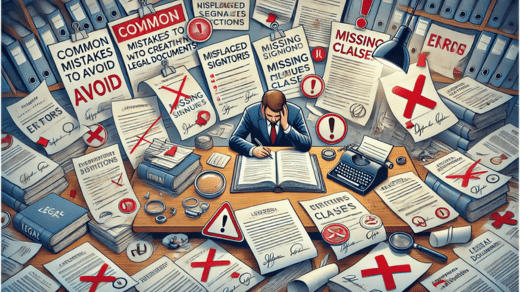
    Common Mistakes to Avoid When Creating Legal Documents

    Creating legal documents can be a daunting task, especially for individuals or businesses unfamiliar with legal jargon or procedures. Whether drafting a will, business contract, or any other legally binding document, it’s essential to ensure accuracy and clarity. Even minor mistakes can lead to misunderstandings, legal disputes, or unintended consequences. Here are some common mistakes to avoid when creating legal documents and tips on how to sidestep them.

    1. Lack of Clarity in Language

    One of the most significant mistakes when drafting legal documents is using vague or ambiguous language. Legal documents must be clear and precise to avoid multiple interpretations. Words like “reasonable,” “soon,” or “may” can lead to confusion. It is crucial to define terms where necessary and be explicit about responsibilities, timeframes, and obligations.

    Tip: Use specific and straightforward language. Define all key terms, and avoid using jargon unless it’s legally required. If possible, have someone unfamiliar with the subject read through the document to ensure it is easy to understand.

    2. Failure to Consider Legal Requirements

    Each legal document must comply with local, state, or national regulations. Failing to meet these legal requirements can invalidate the entire document. For instance, a contract may require certain clauses, a specific format, or notarization. Similarly, if you’re drafting a will, some jurisdictions mandate that it must be signed in the presence of witnesses.

    Tip: Research the legal requirements specific to the type of document you’re drafting. Consulting a legal professional can also help ensure that the document meets all necessary legal standards.

    3. Ignoring the Importance of Dates and Signatures

    Dates and signatures are essential components of most legal documents. Without proper signatures, a legal document may not be enforceable. Furthermore, failure to include dates can cause confusion regarding when certain obligations or agreements should commence or conclude.

    Tip: Always ensure that the document includes signature lines for all involved parties and that dates are recorded for important events, such as the effective date of the contract or the signing date of a will.

    4. Inadequate Attention to Detail

    Misspelled names, incorrect addresses, or misstated terms can severely impact the validity and enforceability of a legal document. Even small details, such as using a wrong middle initial or misstating the amount in a contract, can cause significant issues down the road.

    Tip: Double-check every detail before finalizing the document. Verify the spelling of names, the accuracy of addresses, and the correctness of figures. Reviewing the document with a fine-tooth comb ensures that no small mistakes turn into big problems.

    5. Not Defining Roles and Responsibilities Clearly

    Many legal documents, especially business contracts, involve several parties with specific roles and responsibilities. Failing to clearly outline who is responsible for what can lead to confusion and potential legal disputes.

    Tip: Clearly outline each party’s responsibilities, obligations, and expectations. Define who will do what and when, and specify the consequences if any party fails to meet their obligations.

    6. Failing to Plan for Future Changes

    Legal documents, especially contracts, often span long periods. Life or business circumstances may change during this time, and failing to plan for such changes can leave you vulnerable. For example, a contract without a clause detailing how changes should be handled may lead to complications if any party needs to alter the agreement.

    Tip: Include clauses that address potential future changes, such as termination clauses, renewal options, and amendment procedures. This ensures flexibility and reduces the likelihood of disputes as circumstances evolve.

    7. Overlooking the Importance of Review

    Rushing to complete a legal document without a thorough review is a common mistake. Legal documents are complex, and it’s easy to miss crucial details when drafting or revising. Even minor oversights can have significant legal implications.

    Tip: Take your time when reviewing legal documents. If possible, have a legal professional or another party with experience review the document for errors or areas of concern. An extra set of eyes can help catch mistakes you may have missed.

    8. Not Accounting for Conflict Resolution

    Disputes can arise even when all parties enter an agreement in good faith. Failing to include a clear conflict resolution mechanism in a legal document can lead to prolonged and costly legal battles.

    Tip: Include a dispute resolution clause in your legal documents. This can specify how disputes should be resolved, whether through mediation, arbitration, or court proceedings. Having this in place can save time and money if issues arise.

    Conclusion

    Legal documents are critical tools that safeguard your interests, outline responsibilities, and ensure compliance with legal standards. By avoiding common mistakes like vague language, missing details, and failure to account for legal requirements, you can create robust legal documents that serve their intended purpose. If you’re ever in doubt, consulting a legal professional is always a wise move to ensure your documents are legally sound and error-free.

  • Labour & Service Law Compliance: A Checklist for Small Business Owners

    Labour & Service Law Compliance: A Checklist for Small Business Owners

    For small business owners, staying compliant with labour and service laws is crucial for the smooth operation and growth of their business. Navigating through these regulations can be overwhelming, especially for new entrepreneurs. However, non-compliance can result in costly penalties, legal disputes, and damage to your business reputation. In this guide, we’ll cover essential aspects of labour and service law compliance, offering a comprehensive checklist to help small business owners maintain a lawful and productive workplace.

    1. Understanding Labour Laws

    Labour laws govern the relationship between employers and employees. They are designed to ensure fair treatment, provide protection, and promote equality in the workplace. Compliance with these laws is not optional; it is a legal obligation. Some common areas covered by labour laws include:

    • Wage standards (minimum wage, overtime)
    • Working hours and conditions
    • Employee rights and protections
    • Health and safety requirements

    Staying informed about both national and local labour regulations is vital, as rules may vary depending on your business location.

    2. Minimum Wage Compliance

    Ensuring your employees are paid at least the minimum wage is one of the most fundamental labour law requirements. Small business owners should:

    • Research national and state wage rates: Wage rates can vary significantly between states and even cities.
    • Adjust wages accordingly: Ensure that your employees’ pay meets or exceeds the legal minimum in your area.
    • Account for overtime: When employees work beyond a standard 40-hour week, you must pay them overtime at the federally mandated rate (1.5 times their regular hourly wage) unless they fall under exempt categories.

    3. Workplace Safety Regulations

    Workplace safety is another critical area of labour law compliance. As an employer, it is your responsibility to provide a safe working environment that minimizes risks. Compliance with the Occupational Safety and Health Administration (OSHA) guidelines is necessary for:

    • Assessing workplace hazards: Regularly inspect your workplace for potential safety issues, such as faulty equipment or unsafe practices.
    • Training employees: Offer safety training to all employees, teaching them how to safely use equipment and handle emergencies.
    • Providing safety equipment: Ensure that all necessary safety gear, such as helmets or gloves, is available and in good condition.

    Failure to adhere to safety regulations can result in accidents, injuries, and hefty fines.

    4. Employee Classification

    Correctly classifying your workers as either employees or independent contractors is crucial for labour law compliance. Misclassification can lead to violations of wage laws and tax obligations. The key differences are:

    • Employees: They work under your direct control and are entitled to minimum wage, overtime pay, benefits, and tax withholdings.
    • Independent contractors: They operate as self-employed individuals, managing their work schedule and tasks. They do not receive benefits like health insurance, nor do they have taxes withheld from their paychecks.

    Incorrect classification can lead to penalties, including back pay for taxes, wages, and benefits. Always review and clarify the classification of your workers to avoid misunderstandings.

    5. Anti-Discrimination Laws

    Labour laws prohibit discrimination in hiring, promotions, compensation, or termination based on race, gender, age, religion, disability, or national origin. To comply:

    • Create a non-discriminatory hiring process: Ensure that job descriptions, interviews, and selection criteria are free from bias.
    • Establish workplace policies: Implement a clear anti-discrimination policy, and ensure employees are aware of the consequences of violations.
    • Handle complaints promptly: Create a procedure for addressing discrimination claims and take immediate corrective action if issues arise.

    The U.S. Equal Employment Opportunity Commission (EEOC) provides specific guidelines for protecting employees from discriminatory practices, and failure to comply can result in lawsuits and fines.

    6. Employee Benefits and Leave

    Small business owners must adhere to specific guidelines around employee benefits and leave policies. This includes:

    • Family and Medical Leave Act (FMLA): Ensure eligible employees are allowed up to 12 weeks of unpaid, job-protected leave for certain family and medical reasons.
    • Health insurance: While the Affordable Care Act requires employers with 50 or more employees to offer health insurance, small businesses are encouraged to explore health coverage options to attract and retain employees.
    • Workers’ Compensation Insurance: In most states, businesses with employees must carry workers’ compensation insurance to cover medical costs and lost wages for workers injured on the job.

    Make sure to stay updated on national and state-level changes in employee benefits laws to ensure ongoing compliance.

    7. Payroll Compliance

    Payroll is another critical area that small business owners must handle with care. Payroll laws encompass proper employee classification, accurate record-keeping, and timely tax payments. Key steps for payroll compliance include:

    • Accurately track hours: Ensure you have a reliable time-tracking system for recording work hours, including overtime.
    • Timely payments: Pay employees on time and in full, adhering to your state’s payday laws.
    • Withhold and remit taxes: Correctly withhold taxes from employee wages and remit them to the appropriate tax authorities. Be aware of both federal and state tax requirements.
    • Maintain records: Keep thorough payroll records for each employee, including wages, hours worked, and tax withholdings, for at least three years.

    Failure to comply with payroll regulations can lead to costly penalties and back taxes.

    8. Employment Contracts and Agreements

    Small business owners should create clear, written contracts for employees that outline the terms of employment, including:

    • Job responsibilities
    • Wage and payment structure
    • Working hours
    • Benefits and leave policies
    • Confidentiality agreements

    Having these contracts in place helps prevent misunderstandings and legal disputes down the line. Review and update agreements regularly to ensure they reflect any changes in law or company policy.

    9. Training and Development

    Investing in regular training for your employees can help you stay compliant with labour laws while also promoting a more productive workforce. Consider implementing:

    • Mandatory training sessions: Such as sexual harassment prevention training, which is required in many states.
    • Ongoing professional development: Offer opportunities for employees to enhance their skills, which can boost morale and reduce turnover.
    • Compliance training: Ensure that employees are aware of the latest workplace regulations and safety standards.

    Training your workforce not only helps with compliance but also improves the overall effectiveness of your business.

    10. Posting Legal Notices

    Labour law compliance requires that certain legal notices be posted in your workplace where employees can easily see them. These postings inform workers of their rights under federal and state law. Key postings may include:

    • Fair Labor Standards Act (FLSA)
    • Occupational Safety and Health Act (OSHA)
    • Employee rights under the National Labor Relations Act (NLRA)

    Failure to display these notices can lead to fines, so ensure that your workplace has the required posters and that they are up to date.

    11. Reviewing and Updating Policies

    Labour laws are constantly evolving, and small business owners must stay up to date to remain compliant. To ensure that your business policies and procedures are current:

    • Consult legal experts: Periodically review your policies with a labour law attorney or HR specialist to ensure compliance with the latest regulations.
    • Update employee handbooks: Regularly update your employee handbooks to reflect new laws, company policies, or industry standards.
    • Conduct audits: Perform periodic compliance audits to identify any gaps or areas that need improvement.

    By being proactive, you can avoid costly mistakes and ensure your business is always in line with current regulations.

    Conclusion

    Labour and service law compliance is not just a legal obligation but also a key factor in fostering a fair, safe, and productive work environment. By following this comprehensive checklist, small business owners can navigate the complexities of labour law with confidence, ensuring that their operations run smoothly and their employees are well-protected. Keeping up with legal obligations may seem challenging, but staying informed and proactive will help you avoid legal issues and focus on growing your business.

  • Protecting Children’s Rights: How Family Law Addresses Child Welfare

    Protecting Children’s Rights: How Family Law Addresses Child Welfare

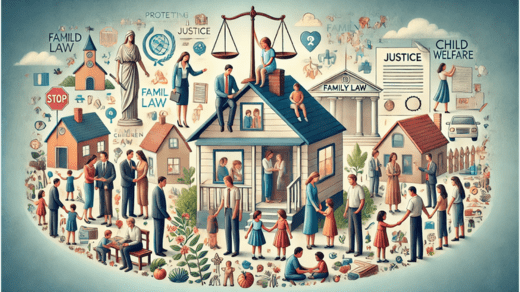
    In any society, children represent its most vulnerable members. Ensuring their well-being and rights is crucial not only for their personal development but for the health of the society as a whole. Family law plays a pivotal role in protecting children’s rights and ensuring their welfare, especially during challenging times such as divorce, custody disputes, or cases involving abuse. This article explores how family law addresses child welfare and the various mechanisms in place to safeguard children’s rights.

    Understanding Children’s Rights

    Children’s rights are enshrined in international agreements, such as the United Nations Convention on the Rights of the Child (UNCRC), which outlines basic rights to protection, education, healthcare, and the opportunity for emotional and social development. In many countries, these principles have been integrated into family law frameworks, ensuring that children are treated as individuals with their own rights rather than merely as dependents of their parents.

    The Role of Family Law in Protecting Child Welfare

    Family law governs relationships between family members, focusing on the legal responsibilities and rights of parents, guardians, and children. It plays a crucial role in disputes involving child custody, support, and care, always aiming to act in the “best interests of the child.” This guiding principle directs courts to prioritize children’s physical, emotional, and developmental needs above all else.

    1. Child Custody and Visitation Rights

    When parents separate or divorce, determining who will have custody of the children is one of the most critical decisions. Family law offers two main types of custody: legal and physical. Legal custody refers to the authority to make decisions about a child’s upbringing, including education, healthcare, and religious practices. Physical custody determines where the child will live.

    Family law systems are increasingly moving toward shared or joint custody arrangements, allowing both parents to play active roles in their children’s lives. However, courts will always make decisions based on the child’s best interests. This involves assessing various factors, such as the parent’s ability to provide for the child’s physical and emotional needs, the child’s relationship with each parent, and, in some cases, the child’s own preferences.

    Visitation rights ensure that the non-custodial parent can maintain a relationship with the child. Courts may set structured visitation schedules, especially when parents cannot agree on their own. Again, the child’s welfare remains the top priority, with courts avoiding arrangements that could harm the child’s well-being.

    2. Child Support and Financial Security

    In any child custody arrangement, financial support is essential for the child’s welfare. Family law mandates that both parents are financially responsible for their child, regardless of who has primary custody. Child support payments help cover the child’s basic needs, such as housing, food, clothing, and healthcare, and can also contribute to education and extracurricular activities.

    The court determines child support payments based on various factors, including each parent’s income, the needs of the child, and the custody arrangement. These payments are legally enforceable, and failure to pay child support can result in severe consequences, such as wage garnishment or even imprisonment.

    Ensuring that children have the financial resources necessary to thrive is a cornerstone of family law’s approach to protecting child welfare.

    3. Protection from Abuse and Neglect

    Child abuse and neglect are critical concerns addressed by family law. Abuse can take many forms, including physical, emotional, sexual, and psychological harm. Neglect, which involves failing to provide for a child’s basic needs, can be just as damaging.

    Family law provides mechanisms for protecting children from abusive or neglectful environments. In cases where abuse or neglect is suspected, child protective services may be involved, conducting investigations to determine the safety of the child. If the child is found to be in danger, courts can order various interventions, including removing the child from the home, issuing restraining orders against abusive parents, or terminating parental rights.

    Foster care systems and adoption processes are often utilized when the court determines that a child’s home environment is unsafe. While removal from the home is always a last resort, it is sometimes necessary to protect a child from immediate harm.

    4. Foster Care and Adoption

    Family law plays an essential role in managing foster care and adoption processes. Foster care provides temporary homes for children who cannot live with their biological parents due to abuse, neglect, or other issues. Family law governs the standards for foster care, ensuring that foster families can provide a safe, stable, and nurturing environment for the child.

    Adoption is another critical component of family law. When biological parents cannot or choose not to care for their children, adoption provides a permanent solution for the child’s well-being. Family law ensures that all adoption processes adhere to legal and ethical standards, focusing on the child’s best interests. The legal procedures involved in adoption vary by jurisdiction but often include home studies, background checks, and court approvals to finalize the adoption process.

    5. The Role of Guardians ad Litem and Child Advocates

    In contentious custody battles or cases involving suspected abuse or neglect, family law often appoints a guardian ad litem (GAL) or child advocate. These individuals represent the child’s interests during legal proceedings. They conduct investigations, speak with the child and relevant parties, and provide recommendations to the court regarding custody, visitation, or other issues that impact the child’s welfare.

    Child advocates ensure that the child’s voice is heard in court, particularly in cases where the parents may be focused on their own interests rather than the child’s well-being. The GAL’s primary duty is to act in the best interests of the child, providing the court with impartial advice that helps guide decisions affecting the child’s future.

    6. Educational and Healthcare Rights

    Children have a right to education and healthcare, and family law ensures these rights are protected, especially during custody disputes. In most cases, both parents are expected to contribute to the child’s education and medical needs, regardless of custody arrangements. Family law allows courts to intervene if one parent attempts to deny the child access to essential services, such as education or medical care.

    When parents disagree on important decisions regarding a child’s education or healthcare, family courts may step in to resolve the conflict. The court’s ruling is based on what will best serve the child’s interests, ensuring that they receive the appropriate education and medical care necessary for their development.

    International Perspectives on Protecting Children’s Rights

    While family law systems vary across countries, the global commitment to protecting children’s rights remains strong. The UNCRC, adopted by nearly every country, sets the standard for how children should be treated worldwide. It ensures that children have the right to life, survival, and development, and it emphasizes the importance of family, education, and healthcare in a child’s life.

    Some countries have taken additional steps to strengthen child welfare protections. For example, many European countries have robust family law systems that focus heavily on the rights of the child, offering comprehensive legal mechanisms for addressing issues of custody, support, and protection from abuse.

    Conclusion

    Family law is instrumental in protecting children’s rights and ensuring their welfare. Whether through custody arrangements, financial support, protection from abuse, or the foster care and adoption process, family law consistently prioritizes the best interests of the child. By upholding these principles, family law helps safeguard children’s well-being, ensuring they grow up in environments that foster their physical, emotional, and developmental needs.

    As society continues to evolve, so too must the laws that protect children. Ongoing efforts to adapt and strengthen family law systems are essential to ensuring that children remain at the forefront of legal protections, allowing them to thrive and reach their full potential in a safe and nurturing environment.

  • Top Defenses in Criminal Law: Strategies Used by Defense Attorneys

    Top Defenses in Criminal Law: Strategies Used by Defense Attorneys

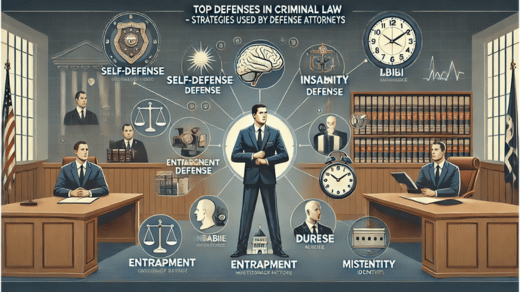
    Criminal defense attorneys play a critical role in ensuring justice by defending individuals accused of crimes. Their job involves building a defense strategy that challenges the prosecution’s case and protects the rights of the accused. Various defense strategies are utilized based on the circumstances, type of crime, and evidence involved. Here are the top defenses in criminal law commonly used by defense attorneys.

    1. Innocence

    One of the most straightforward defenses in criminal law is proving innocence. The defense attorney focuses on demonstrating that the accused did not commit the crime. This strategy involves providing an alibi, presenting evidence that someone else committed the crime, or showing that the prosecution lacks enough proof. The burden is on the prosecution to prove guilt beyond a reasonable doubt, and when an attorney can effectively argue innocence, the case may be dismissed.

    Key Tactics:

    • Presenting an alibi that proves the defendant was elsewhere during the crime.
    • Questioning the validity of the prosecution’s evidence.
    • Introducing new evidence that points to another suspect.

    2. Self-Defense

    In cases involving violent crimes, such as assault or homicide, self-defense is a common defense strategy. A defense attorney will argue that the defendant’s actions were justified because they were protecting themselves or others from harm. For this defense to be valid, it must be proven that the defendant believed they were in imminent danger, and the force used was proportionate to the threat faced.

    Key Tactics:

    • Establishing that the defendant faced an immediate threat of harm.
    • Proving the defendant’s actions were necessary to prevent injury.
    • Showing that the level of force used was reasonable and not excessive.

    3. Insanity Defense

    The insanity defense is a less frequently used but powerful strategy. In this defense, the attorney argues that the defendant was not of sound mind at the time of the crime and therefore could not understand the wrongfulness of their actions. If successful, this defense can result in a not-guilty verdict due to insanity, leading to mental health treatment rather than prison time. However, it is difficult to prove and requires extensive psychiatric evaluation.

    Key Tactics:

    • Providing medical or psychiatric testimony to demonstrate mental illness.
    • Showing that the defendant could not distinguish between right and wrong.
    • Arguing that the mental disorder directly contributed to the criminal behavior.

    4. Mistaken Identity

    Mistaken identity is another defense tactic used when a defendant is wrongfully accused due to being mistaken for someone else. This is common in cases where eyewitness testimony plays a major role. Defense attorneys work to create doubt about the reliability of the prosecution’s witnesses, showing that the defendant is not the person who committed the crime.

    Key Tactics:

    • Challenging eyewitness testimonies as unreliable or inaccurate.
    • Presenting alternative evidence that casts doubt on identification.
    • Using forensic evidence, such as DNA or fingerprints, to exonerate the defendant.

    5. Entrapment

    Entrapment occurs when law enforcement induces someone to commit a crime they otherwise would not have committed. This defense argues that the defendant was persuaded or coerced into criminal behavior by authorities. Defense attorneys must prove that without the government’s encouragement, the crime would not have been committed.

    Key Tactics:

    • Demonstrating that law enforcement used undue pressure or deceit.
    • Proving that the defendant was not predisposed to committing the crime.
    • Presenting evidence of government misconduct or overreach.

    6. Duress

    The duress defense is used when a defendant commits a crime because they were forced to do so under the threat of violence or harm. This defense argues that the defendant had no free will and acted out of fear for their life or safety. It is a valid defense in many criminal cases, except for serious crimes like murder.

    Key Tactics:

    • Proving the defendant faced immediate and serious threats.
    • Showing that the defendant had no reasonable way to escape the threat.
    • Arguing that the crime was committed under coercion or threat of harm.

    7. Lack of Evidence

    A strong defense in criminal cases is highlighting the lack of sufficient evidence against the defendant. Defense attorneys emphasize the gaps in the prosecution’s case, pointing out where the evidence is circumstantial or flawed. This strategy seeks to create reasonable doubt in the minds of the jury, leading to acquittal.

    Key Tactics:

    • Challenging the credibility of the prosecution’s witnesses and evidence.
    • Exposing inconsistencies in the evidence presented.
    • Arguing that the prosecution has not met the burden of proof.

    Conclusion

    Defense attorneys use a wide range of strategies to protect their clients in criminal cases. From proving innocence to claiming self-defense, each approach is tailored to the specific circumstances of the case. Whether through challenging the evidence, providing alternative explanations, or highlighting procedural errors, criminal defense lawyers play a pivotal role in ensuring that justice is served fairly. The outcome of a case often hinges on the attorney’s ability to implement these defense strategies effectively, making their work critical in the criminal justice system.

  • The Evolution of Constitutional Law: Landmark Cases That Changed the Legal Landscape

    The Evolution of Constitutional Law: Landmark Cases That Changed the Legal Landscape

    Constitutional law serves as the bedrock of legal systems across democratic nations, governing the relationship between individuals and the state. It provides the framework for interpreting the principles and rights enshrined in a constitution, ensuring that laws align with the values and freedoms fundamental to a society. Over time, constitutional law has evolved, shaped by landmark cases that have redefined legal precedents and profoundly influenced the trajectory of justice. In this article, we will explore the evolution of constitutional law and examine key landmark cases that have significantly altered the legal landscape.

    Understanding Constitutional Law

    Constitutional law primarily concerns the interpretation and application of a country’s constitution. It deals with issues such as the separation of powers, fundamental rights, and the limits of governmental authority. Courts, particularly supreme courts, play a critical role in interpreting the constitution and ensuring that legislation and executive actions conform to its provisions.

    Over centuries, constitutional law has continuously evolved to address new social, political, and technological challenges. This evolution is often marked by key court cases that have established precedents, setting guidelines for how future legal disputes are resolved. These landmark cases often act as turning points in the development of constitutional law, reshaping societal norms and the balance of power between the government and the governed.

    The Role of Landmark Cases in Shaping Constitutional Law

    Landmark cases are legal decisions that have a far-reaching impact on the interpretation of constitutional principles. These rulings often extend beyond the immediate parties involved, influencing broader aspects of the law and affecting the lives of millions. In many instances, these cases address issues that are at the heart of societal debates—such as civil rights, freedom of speech, the right to privacy, and the limits of government power.

    The impact of landmark cases is enduring, as they create binding precedents that courts follow in future cases. In essence, they are moments in history where the judiciary plays a pivotal role in shaping the direction of a nation’s legal and social development.

    Let’s now delve into some of the most influential landmark cases that have profoundly shaped constitutional law and changed the legal landscape.

    Marbury v. Madison (1803)

    Case Overview:
    Arguably the most important case in U.S. constitutional history, Marbury v. Madison established the principle of judicial review. This principle gives the judiciary the power to strike down laws and government actions that are deemed unconstitutional. The case arose when William Marbury sued Secretary of State James Madison for failing to deliver his commission as a justice of the peace.

    Impact:
    The ruling in this case, delivered by Chief Justice John Marshall, asserted the Supreme Court’s authority to interpret the Constitution and invalidate any law that conflicts with it. This decision cemented the judiciary’s role as a co-equal branch of government, ensuring that neither Congress nor the executive branch could override constitutional protections.

    Legacy:
    The doctrine of judicial review remains a cornerstone of constitutional law in the United States and many other democracies around the world. It ensures that courts have the power to safeguard individual rights and prevent government overreach.

    Brown v. Board of Education (1954)

    Case Overview:
    In Brown v. Board of Education, the U.S. Supreme Court tackled the issue of racial segregation in public schools. The case challenged the constitutionality of the “separate but equal” doctrine established by the earlier case Plessy v. Ferguson (1896), which allowed racial segregation as long as facilities were purportedly equal.

    Impact:
    The Supreme Court, led by Chief Justice Earl Warren, unanimously ruled that racial segregation in public schools violated the Equal Protection Clause of the Fourteenth Amendment. The court declared that “separate educational facilities are inherently unequal” and that segregation perpetuated feelings of inferiority among African American students.

    Legacy:
    This ruling marked a turning point in the fight for civil rights in the United States. It paved the way for desegregation and set the stage for further challenges to racial discrimination. Brown v. Board of Education is widely regarded as one of the most important cases in American history, as it directly contributed to the dismantling of institutionalized racism and inspired civil rights movements worldwide.

    Roe v. Wade (1973)

    Case Overview:
    Roe v. Wade is perhaps the most controversial Supreme Court case of the 20th century. It involved a challenge to a Texas law that criminalized most abortions. The plaintiff, known by the pseudonym “Jane Roe,” argued that the law violated her right to privacy under the Constitution.

    Impact:
    The Supreme Court ruled in favor of Roe, holding that the right to privacy, implied by the Due Process Clause of the Fourteenth Amendment, extends to a woman’s decision to have an abortion. The court also established a trimester framework for regulating abortions, balancing the woman’s right to privacy with the state’s interest in protecting potential life.

    Legacy:
    Roe v. Wade has had a profound and lasting impact on reproductive rights in the United States, with its ruling affirming a woman’s right to choose. However, the case has been a lightning rod for debate, leading to ongoing political and legal battles over abortion rights. In 2022, the U.S. Supreme Court’s decision in Dobbs v. Jackson Women’s Health Organization overturned Roe v. Wade, significantly altering the landscape of abortion law and reigniting constitutional debates.

    Miranda v. Arizona (1966)

    Case Overview:
    Ernesto Miranda was arrested and confessed to a crime without being informed of his right to remain silent or his right to an attorney. His case eventually reached the Supreme Court, where the question was whether his confession was admissible if he had not been informed of his rights.

    Impact:
    The court ruled that suspects must be informed of their rights before any interrogation occurs. These rights, now known as “Miranda rights,” include the right to remain silent, the right to an attorney, and the right against self-incrimination.

    Legacy:
    The Miranda v. Arizona ruling has become a fundamental aspect of American criminal procedure, ensuring that individuals are aware of their constitutional protections during interactions with law enforcement. Miranda rights are now a routine part of police procedure and symbolize the importance of protecting individual freedoms in the face of state power.

    Obergefell v. Hodges (2015)

    Case Overview:
    In Obergefell v. Hodges, the U.S. Supreme Court addressed the issue of same-sex marriage. The plaintiffs, a group of same-sex couples, challenged state bans on same-sex marriage, arguing that they violated the Equal Protection and Due Process Clauses of the Fourteenth Amendment.

    Impact:
    The court, in a 5-4 decision, ruled that same-sex marriage is a constitutional right under the Fourteenth Amendment. The majority opinion, written by Justice Anthony Kennedy, emphasized that the Constitution promises equal dignity to all citizens, and denying marriage rights to same-sex couples violated that principle.

    Legacy:
    Obergefell v. Hodges was a historic ruling that legalized same-sex marriage nationwide in the United States. The case is widely regarded as a major victory for LGBTQ+ rights and has had a transformative effect on the legal and social landscape, promoting equality and inclusivity.

    Conclusion

    The evolution of constitutional law is a dynamic and ongoing process, shaped by landmark cases that address some of the most pressing issues in society. These cases reflect changing societal values and have established important precedents that continue to influence legal systems around the world. From Marbury v. Madison’s establishment of judicial review to Obergefell v. Hodges’s recognition of marriage equality, the history of constitutional law is one of progress and adaptation. These landmark cases serve as reminders of the judiciary’s critical role in upholding the principles of justice, equality, and individual rights.