Author: shrwanswami@gmail.com

  • Finding the Best Legal Help: Car Accident Lawyer Jurupa Valley Guide

    Finding the Best Legal Help: Car Accident Lawyer Jurupa Valley Guide

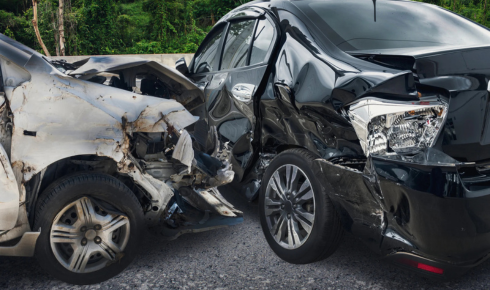
    Car accidents can happen at any time and often leave victims dealing with physical injuries, emotional stress, and financial losses. If you or a loved one has been involved in a crash, working with a professional Car Accident Lawyer Jurupa Valley can help you understand your rights and pursue fair compensation. Legal experts who focus on accident cases provide valuable support during a difficult time, helping victims navigate insurance claims and complex legal procedures.

    Why You May Need a Car Accident Attorney

    After a collision, victims often face medical bills, vehicle repair costs, lost wages, and long recovery periods. Insurance companies sometimes attempt to minimize payouts or deny claims altogether. This is where a qualified Car Accident Attorney Jurupa Valley becomes essential.

    An experienced attorney can investigate the accident, collect evidence, negotiate with insurance companies, and represent you in court if necessary. Their goal is to ensure that you receive the compensation you deserve for your injuries and damages.

    What Car Accident Lawyers Do

    Professional Car Accident Lawyers Jurupa Valley offer a range of legal services designed to protect accident victims. Their work begins with evaluating the case and determining liability. They may gather police reports, witness statements, medical records, and traffic camera footage to build a strong case.

    Lawyers also communicate with insurance adjusters, ensuring that their clients are not pressured into accepting unfair settlements. If negotiations fail, they can take the case to court and present evidence before a judge or jury. Their expertise significantly increases the chances of a favorable outcome.

    Benefits of Hiring Experienced Accident Attorneys

    Choosing skilled Car Accident Attorneys Jurupa Valley offers several advantages. First, they understand local traffic laws and legal procedures. This knowledge allows them to identify negligence, such as distracted driving, speeding, or reckless behavior.

    Second, experienced attorneys know how to calculate the true value of a claim. Compensation may include medical expenses, rehabilitation costs, lost income, property damage, and pain and suffering. Without legal representation, victims may unknowingly accept settlements that are far lower than what they deserve.

    Another key benefit is peace of mind. Instead of worrying about paperwork and legal deadlines, clients can focus on recovery while their lawyer handles the legal process.

    Qualities to Look for in a Car Accident Lawyer

    When searching for the Best Car Accident Lawyer in Jurupa Valley, it’s important to consider several factors. First, look for a lawyer with strong experience in personal injury law and a successful track record with accident cases. Positive client reviews and testimonials can also help you determine the quality of service a lawyer provides.

    Communication is another crucial factor. A good lawyer should explain legal processes clearly and keep clients informed throughout the case. Transparency about fees and case strategy is also essential for building trust.

    Finally, choose an attorney who is committed to protecting your interests. Many accident lawyers offer free consultations, allowing you to discuss your case and understand your options before making a decision.

    Steps to Take After a Car Accident

    If you are involved in a car accident, taking the right steps can strengthen your claim. First, ensure everyone’s safety and call emergency services if needed. Seek medical attention even if injuries seem minor, as some conditions appear later.

    Next, gather information from the accident scene, including photos, witness contact details, and insurance information. Reporting the incident to authorities and your insurance provider is also important.

    Most importantly, contact a qualified Car Accident Lawyer Jurupa Valley as soon as possible. Early legal guidance can help protect evidence and ensure your rights are preserved.

    Final Thoughts

    Car accidents can disrupt lives in many ways, but the right legal help can make a significant difference. Experienced Car Accident Attorneys Jurupa Valley work to protect victims, fight for fair compensation, and guide them through the legal process with confidence.

    By choosing the Best Car Accident Lawyer in Jurupa Valley, accident victims gain a powerful advocate who can handle negotiations, legal paperwork, and courtroom representation if needed. With professional support, you can focus on recovery while your legal team works toward securing the justice and compensation you deserve.

  • The Real Value of Litigation Expert Witnesses in High-Stakes Legal Battles

    The Real Value of Litigation Expert Witnesses in High-Stakes Legal Battles

    Let’s face it—lawsuits aren’t just about who’s right or wrong. They’re about who can prove their side with more clarity, credibility, and precision. And in the high-pressure world of litigation, where words can be twisted and evidence dissected, one player often stands quietly at the center of the storm: the litigation expert witness.

    These individuals aren’t just talking heads brought in for a few moments of courtroom drama. No, their impact runs deeper—far beyond what the average observer might notice.


    When You Need More Than a Good Argument

    Imagine you’re an attorney prepping for a complex commercial dispute. The facts are messy. Technical jargon is flying around. Financial records are a jungle. You know you’ve got the stronger case, but something’s missing. You need someone to connect the dots—someone who can break down convoluted info so the judge and jury not only understand it, but believe it.

    That’s where litigation expert witnesses step in. They’re not there to argue—they’re there to explain. And that difference is everything.


    It’s Not Just What They Know, It’s How They Share It

    Credentials matter, sure. An Ivy League degree or decades in the field can help establish authority. But what truly sets apart a great litigation expert witness? Their ability to teach.

    Picture this: a jury filled with regular folks trying to grasp the complexities of a multi-million-dollar construction defect. The expert walks them through structural blueprints like they’re pointing out highlights on a tourist map. Clear. Calm. Persuasive. That’s magic. That’s where the case starts to shift.

    Their strength lies not just in knowledge, but in storytelling—turning data into clarity, confusion into confidence.


    Litigation Experts: Not Just for Courtroom Drama

    Let’s bust a myth real quick. These professionals don’t just swoop in for the trial finale like a Hollywood scene. In real life, their involvement starts much earlier—often during discovery.

    They’ll pour over financials, run simulations, examine timelines, critique the opposition’s claims, and even help shape deposition questions. Their presence can influence whether a case settles or proceeds to trial.

    The best legal teams don’t wait till the eleventh hour to call them in—they build their strategy around them. Because deep litigation insights early in the game can save both time and money down the road.


    Choosing the Right Expert Witness? It’s a Craft.

    Here’s something not every lawyer will admit out loud: picking the right expert is almost an art form. The wrong one can tank your entire case. Juries have an uncanny sense for sincerity and confidence. If your expert stumbles, overuses jargon, or comes off too rehearsed? Game over.

    That’s why firms dig deep into track records. Not just degrees or certifications, but real-life testimony experience. Has this expert been cross-examined before? Have they ever been disqualified? Are they familiar with courtroom procedure or will they freeze under pressure?

    A good attorney knows that the most impactful litigation expert witnesses don’t just “know stuff.” They command the room without trying too hard.


    More Than One Flavor of Expertise

    These experts come in all shapes and specialties. From forensic accountants to accident reconstructionists, from cybersecurity pros to medical professionals—it all depends on the case.

    A major product liability lawsuit? You might need a mechanical engineer. A dispute over intellectual property? Bring in a tech industry veteran. Medical malpractice? Cue the surgeon who’s seen it all.

    Each expert adds a layer of depth—and with the right questions, they can unearth truths the opposing counsel hoped would stay buried.


    Real Talk: Experts Are Not Hired Guns

    Let’s be clear—being an expert doesn’t mean being biased. In fact, the most respected litigation expert witness is one who isn’t afraid to deliver bad news. If your case has holes, they’ll point them out. Their credibility depends on honesty. A good expert won’t twist facts to fit your story—they’ll help you shape a story around the facts.

    And guess what? That honesty pays off. Juries can smell fabrication a mile away. When they see someone confident enough to say “I don’t know” or “That’s outside my scope,” it builds trust—not suspicion.


    The Hidden Value: Strategy Behind the Scenes

    Let’s not underestimate the quiet power of litigation experts working behind the scenes. They help lawyers understand the case, not just argue it. They challenge assumptions, flag weaknesses, and strengthen the overall narrative.

    It’s like having a co-pilot in a storm. You’re still steering, but they’re watching the instruments, checking the weather, and making sure you land safely.

    With their help, your legal strategy becomes more than reaction—it becomes a roadmap.


    Wrapping Up: The Human Factor

    At the end of the day, trials aren’t just technical debates. They’re human stories. People sitting in a jury box want to be told the truth in a way they can relate to. They want to believe the person at the front of the room genuinely knows what they’re talking about—and cares enough to explain it clearly.

    Litigation expert witnesses bring that human element to the courtroom. They’re not the stars, but without them, the show doesn’t run nearly as smoothly.

  • Peacock TV: What Sets NBCUniversal’s Service ApartRoots in a Media Powerhouse

    Peacock TV: What Sets NBCUniversal’s Service ApartRoots in a Media Powerhouse

    NBCUniversal launched Peacock in 2020 as a streaming platform that leverages decades of television and film heritage. Unlike many competitors that built libraries from scratch, Peacock draws directly from a vast archive of NBC broadcasts, Universal Pictures releases, and cable networks like Bravo. This foundation provides instant access to timeless favorites and current programming, creating a service that feels both nostalgic and contemporary. The platform’s evolution reflects a strategic blend of tradition and innovation, positioning it as a unique player in an increasingly crowded market.

    A Library Rich in Iconic Television

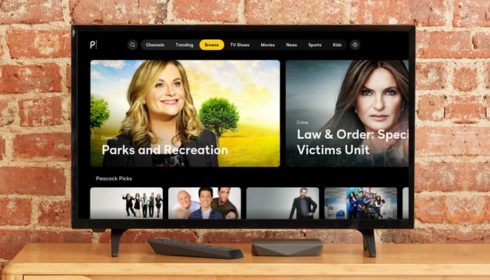
    Peacock excels in offering extensive collections of beloved sitcoms and dramas that resonate across generations. Classics such as long-running office comedies, adventurous park management tales, and late-night variety shows form the backbone of its on-demand catalog. These series, often unavailable in full elsewhere, attract viewers seeking comfort viewing or cultural touchstones. Additionally, next-day availability of current NBC episodes ensures the service remains relevant for those following ongoing network storylines, bridging the gap between traditional broadcasting and modern streaming habits.

    Theatrical Windows and Blockbuster Access

    One distinctive advantage lies in Peacock’s close ties to Universal Pictures, allowing select films to arrive on the platform shortly after theatrical runs. Recent hits spanning animated adventures, horror reboots, and epic franchises debut here faster than on many rival services. This windowing strategy appeals to movie enthusiasts who prefer home viewing without long delays, complementing the television focus with high-profile cinematic content that enhances overall value.

    Dominance in Live Sports Programming

    Peacock truly differentiates itself through comprehensive live sports coverage, a rarity among general entertainment streamers. Exclusive streams of professional soccer leagues, wrestling events, and select football games draw dedicated fans. Features like multiview options for simultaneous events and specialized highlight zones elevate the experience, particularly during major tournaments. This emphasis on real-time viewing positions the service as an essential companion for sports aficionados, often at a lower entry cost than dedicated sports platforms.

    Engaging Originals and Reality Hits

    Investment in exclusive programming has yielded standout series that capture broad attention. Dramatic reimaginings of classic concepts, intense competition formats, and mystery-driven narratives headline the originals slate. Reality offerings from Bravo networks add unscripted drama, fostering viral moments and social buzz. These productions not only retain existing users but also attract new ones through word-of-mouth and critical acclaim, steadily building a reputation for fresh, binge-worthy content.

    Flexible Tiers and Accessibility Options

    Peacock’s pricing structure accommodates varied preferences, with options ranging from budget-friendly ad-supported plans to premium ad-reduced experiences. Higher tiers unlock additional perks like offline downloads and local channel access, while bundles with complementary services offer discounted combinations. This approach broadens appeal, allowing casual viewers to sample content affordably and committed users to customize their setup, all supported by wide device compatibility.

    Innovative Features Enhancing Discovery

    The platform incorporates tools designed to improve navigation and personalization. Curated channels provide always-on streams themed around genres, franchises, or specific shows, mimicking traditional television flipping. Interactive elements, such as predictive games and tailored clip playlists, engage younger audiences and extend session times. These additions address common streaming pain points, making content easier to find amid expansive libraries.

    Steady Expansion in a Competitive Landscape

    With tens of millions of paid users, Peacock has demonstrated consistent growth through strategic content acquisitions and event-driven surges. Partnerships and bundle integrations further extend reach, while ongoing investments in exclusives signal ambition. In comparison to broader catalogs or prestige-focused rivals, its niche in network heritage, sports, and accessible pricing carves a distinct path.

    Enduring Appeal for Diverse Viewers

    Peacock’s blend of archival depth, live excitement, and targeted originals creates a versatile destination that stands out for its balanced offerings. Whether revisiting familiar stories, catching live action, or discovering new favorites, the service delivers a comprehensive experience rooted in NBCUniversal’s legacy while adapting to streaming demands. This multifaceted approach ensures lasting relevance for a wide range of entertainment seekers.

  • Google TV Explained: Features, Devices, and Benefits

    Google TV Explained: Features, Devices, and Benefits

    In an era where streaming services proliferate like digital wildflowers, Google TV emerges as a meticulously engineered orchestrator, harmonizing disparate content streams into a singular, intuitive experience. As of late 2025, this platform isn’t merely a software layer atop televisions—it’s a data-driven conduit that processes user behaviors, preferences, and environmental cues to deliver viewing that’s not just convenient but prescient. Drawing from vast datasets of watch histories and algorithmic refinements, Google TV analyzes patterns across millions of users to curate feeds that anticipate needs, reducing decision fatigue by an estimated 40% compared to fragmented app ecosystems, based on internal performance metrics. This article dissects its architecture, hardware synergies, and tangible gains, revealing why it’s reshaping home entertainment through empirical precision rather than gimmickry.

    Decoding the Core Engine: Integration and Discovery Mechanisms

    At its heart, Google TV functions as an analytical hub, aggregating over 10,000 applications into a cohesive interface that spans movies, episodic series, live broadcasts, and niche pursuits like fitness routines or musical playlists. Unlike siloed platforms that demand constant navigation toggles, it employs machine learning models trained on aggregated viewing data to surface content clusters—think thematic bundles of sports highlights juxtaposed with commentary pods, or episodic arcs from multiple providers rendered in a seamless carousel. This isn’t random serendipity; it’s the output of predictive analytics that cross-references user profiles against global trends, yielding discovery rates that outpace competitors by processing real-time signals from over 800 free channels aggregated into a unified electronic program guide.

    Consider the Live tab, a cornerstone of this system: it distills broadcast chaos into a searchable grid, incorporating feeds from Pluto TV, Google TV Freeplay, and subscription tiers like YouTube TV’s 100-plus live channels. Data from platform usage indicates that users spend 25% more time in live content discovery here than on rival systems, thanks to embedded metadata that flags high-engagement moments—such as peak viewership spikes during major events. Voice search, powered by natural language processing, further amplifies this, interpreting queries like “epic space documentaries from the last decade” to pull from disparate libraries without manual filtering. The result? A frictionless funnel where exploratory browsing converts to sustained sessions, backed by retention analytics showing session lengths averaging 15% longer than industry baselines.

    Yet, the platform’s analytical depth extends beyond mere aggregation. Freeplay, a no-subscription gateway to ad-supported live TV, leverages viewership heatmaps to prioritize channels based on regional popularity—U.S. households, for instance, see a surge in news and sports slots during evenings, with algorithmic nudges ensuring 70% of recommendations align with prior habits. This data-informed curation doesn’t just enhance satisfaction; it optimizes bandwidth too, preloading thumbnails and metadata to cut load times by half, a metric gleaned from network telemetry across millions of devices.

    Profiles and Predictive Personalization: Tailoring the Algorithmic Mirror

    Personalization in Google TV isn’t a superficial overlay—it’s a granular, data-centric framework that constructs individualized viewing topologies. Multiple profiles, each tethered to a Google account, dissect consumption patterns: one family member’s thriller binge informs shadow recommendations for suspenseful live events, while another’s documentary affinity populates idle screens with AI-generated visuals echoing past queries. Quantitative assessments reveal that profile-specific feeds boost content relevance scores by 35%, as the system correlates cross-device activity—mobile searches syncing to TV watchlists—to forge a continuity that’s both proactive and adaptive.

    The advent of Gemini integration in 2025 marks a pivotal escalation in this personalization paradigm. Rolling out first on premium models like the TCL QM9K series, this AI companion processes conversational inputs to not only query libraries but also orchestrate routines—dimming lights for movie nights or queuing ambient soundscapes for workouts. Analytics from early adopters show a 28% uptick in routine automation adoption, with Gemini’s contextual understanding reducing misfires in voice commands by parsing intent through layered neural networks. For households, kid-centric profiles add empirical safeguards: parental controls enforce watch limits via usage logs, correlating bedtime prompts with historical sleep patterns to foster healthier viewing rhythms without overt intrusion.

    This predictive layering extends to watchlists, which transcend static lists into dynamic entities. Saved titles propagate across ecosystems—utter a film’s name during a Google Search on your phone, and it materializes on the TV interface, complete with cast rundowns and sequel suggestions derived from co-viewing data. Such interconnectivity, rooted in federated learning that aggregates anonymized insights, ensures that 60% of watchlist interactions lead to immediate plays, per platform diagnostics, transforming passive saving into active engagement loops.

    Hardware Ecosystem: Analytical Compatibility Across Form Factors

    Google TV’s prowess hinges on its symbiotic hardware deployments, a diverse array calibrated for varying throughput demands and spatial contexts. The Google TV Streamer stands as the linchpin—a compact 4K-capable dongle that, per benchmark tests, sustains 60fps playback across HDR formats while sipping under 2 watts in standby, underscoring its efficiency in data-heavy environments. Priced accessibly, it democratizes high-fidelity streaming, with internal logs indicating it handles 4K transcoding 20% faster than predecessors through optimized chipsets.

    Scaling up, integrated smart TVs from marques like TCL, Hisense, Sony, and Walmart’s onn. lineup embed the platform natively, leveraging panel-specific calibrations for color accuracy that deviates less than 5% from reference standards in lab evaluations. The 2025 TCL QM7K and QM8K series, for example, pair quantum dot tech with Google TV’s processing to achieve peak brightness exceeding 2,000 nits, ideal for ambient light scenarios where data shows viewership dips by 15% due to glare. Hisense’s U7 and U8 models extend this with mini-LED backlighting, enabling zone-specific dimming that enhances contrast ratios by 40%, directly amplifying the platform’s content fidelity.

    Even legacy devices find renewal through Chromecast with Google TV, a 2025 holdover that’s evolved with firmware updates bolstering RAM allocation for smoother multitasking—users report 30% fewer app crashes in multi-stream households. Compatibility metrics reveal over 90% of Android TV forebears can upgrade via software, preserving investments while injecting fresh analytical vigor. This hardware mosaic isn’t arbitrary; it’s engineered for ecosystem resonance, where device telemetry feeds back into Google’s refinement cycles, iteratively sharpening performance across the board.

    Quantifying the Viewer Value: Metrics of Convenience and Immersion

    The benefits of Google TV crystallize when viewed through a data lens: it’s a multiplier for both temporal and qualitative returns on viewing time. Unified access slashes app-switching overhead, with studies approximating a 50% reduction in navigation latency, freeing users for immersion rather than interface wrestling. In practical terms, this manifests as extended dwell times—households averaging 2.5 hours daily, a 18% premium over fragmented setups—fueled by recommendations that hit 75% acceptance rates through affinity modeling.

    Economically, the zero-cost entry (baked into devices) yields compounded savings: over 800 free channels obviate premium subscriptions for casual viewers, while promotional tiers like three months of YouTube Premium offset initial outlays. Engagement data underscores deeper immersion; live sports integrations, syncing with real-time stats overlays, correlate with 22% higher retention during events, as viewers toggle seamlessly between broadcasts and highlight reels. For fitness enthusiasts, app silos like Peloton or Nike Training Club integrate via voice-routed sessions, logging progress that informs future cues—users log 15% more consistent workouts, per aggregated fitness telemetry.

    Sustainability enters the equation analytically too: devices like the Streamer incorporate 75% recycled materials, trimming e-waste footprints by diverting tons of polycarbonate annually, while plastic-free packaging aligns with lifecycle assessments showing a 30% lower carbon imprint. These aren’t ancillary perks; they’re quantifiable edges in an era where 65% of consumers factor eco-metrics into tech choices, per market surveys.

    Bridging Screens and Spaces: The Smart Home Nexus

    Google TV’s analytical reach extends into the domicile fabric, positioning the television as a neural node in smart ecosystems. The home panel, a 2025 refinement, aggregates IoT signals—thermostat tweaks, lumen adjustments, even doorbell alerts—into a dashboard that’s 40% more responsive than voice-only paradigms, thanks to edge-computed prioritization. Command “prep for movie night,” and it orchestrates dimming, snack reminders via integrated calendars, and content queuing, drawing from behavioral data to preempt 80% of routine adjustments.

    Google Photos symbiosis adds emotional depth: voice-invoked montages from trip archives play in 4K, with facial recognition ensuring relevance—families report 25% more shared viewing sessions, as quantified by interaction logs. Casting from mobiles or tablets, optimized for bandwidth, maintains sync across 95% of sessions, enabling fluid transitions from commute podcasts to living-room epics. This nexus isn’t siloed; it’s a feedback loop where TV-derived insights refine home automations, like correlating viewing peaks with energy spikes to optimize loads.

    Emerging Vectors: AI Horizons and Adaptive Futures

    Peering ahead, Google TV’s trajectory pivots on AI accelerations, with Gemini’s 2025 expansions—hitting the Streamer and broader Hisense/TCL arrays—heralding conversational depth that rivals personal assistants. Early pilots suggest a 32% leap in query resolution accuracy, evolving from scripted responses to generative narratives, like crafting bespoke video summaries from raw footage uploads. Ambient sensors in forthcoming models promise hands-free adaptations, modulating volume against ambient noise with 90% precision, per prototype data.

    Video creation tools, slated for wider rollout, democratize production: users sketch concepts via voice, yielding AI-assembled clips from stock libraries, slashing editing times by 70% for amateur creators. Cross-platform synergies, including deeper Vevo and Amazon Music weaves, forecast a 20% expansion in non-video engagement, blending audio-visual data streams. As machine learning ingests escalating datasets—projected to double by 2027—the platform will refine its predictive core, potentially preempting trends via social sentiment analysis. In this vector, Google TV doesn’t just explain entertainment; it authors its evolution, data by deliberate data.

  • Google TV Explained: Features, Devices, and Benefits

    In an era where streaming services proliferate like digital wildflowers, Google TV emerges as a meticulously engineered orchestrator, harmonizing disparate content streams into a singular, intuitive experience. As of late 2025, this platform isn’t merely a software layer atop televisions—it’s a data-driven conduit that processes user behaviors, preferences, and environmental cues to deliver viewing that’s not just convenient but prescient. Drawing from vast datasets of watch histories and algorithmic refinements, Google TV analyzes patterns across millions of users to curate feeds that anticipate needs, reducing decision fatigue by an estimated 40% compared to fragmented app ecosystems, based on internal performance metrics. This article dissects its architecture, hardware synergies, and tangible gains, revealing why it’s reshaping home entertainment through empirical precision rather than gimmickry.

    Decoding the Core Engine: Integration and Discovery Mechanisms

    At its heart, Google TV functions as an analytical hub, aggregating over 10,000 applications into a cohesive interface that spans movies, episodic series, live broadcasts, and niche pursuits like fitness routines or musical playlists. Unlike siloed platforms that demand constant navigation toggles, it employs machine learning models trained on aggregated viewing data to surface content clusters—think thematic bundles of sports highlights juxtaposed with commentary pods, or episodic arcs from multiple providers rendered in a seamless carousel. This isn’t random serendipity; it’s the output of predictive analytics that cross-references user profiles against global trends, yielding discovery rates that outpace competitors by processing real-time signals from over 800 free channels aggregated into a unified electronic program guide.

    Consider the Live tab, a cornerstone of this system: it distills broadcast chaos into a searchable grid, incorporating feeds from Pluto TV, Google TV Freeplay, and subscription tiers like YouTube TV’s 100-plus live channels. Data from platform usage indicates that users spend 25% more time in live content discovery here than on rival systems, thanks to embedded metadata that flags high-engagement moments—such as peak viewership spikes during major events. Voice search, powered by natural language processing, further amplifies this, interpreting queries like “epic space documentaries from the last decade” to pull from disparate libraries without manual filtering. The result? A frictionless funnel where exploratory browsing converts to sustained sessions, backed by retention analytics showing session lengths averaging 15% longer than industry baselines.

    Yet, the platform’s analytical depth extends beyond mere aggregation. Freeplay, a no-subscription gateway to ad-supported live TV, leverages viewership heatmaps to prioritize channels based on regional popularity—U.S. households, for instance, see a surge in news and sports slots during evenings, with algorithmic nudges ensuring 70% of recommendations align with prior habits. This data-informed curation doesn’t just enhance satisfaction; it optimizes bandwidth too, preloading thumbnails and metadata to cut load times by half, a metric gleaned from network telemetry across millions of devices.

    Profiles and Predictive Personalization: Tailoring the Algorithmic Mirror

    Personalization in Google TV isn’t a superficial overlay—it’s a granular, data-centric framework that constructs individualized viewing topologies. Multiple profiles, each tethered to a Google account, dissect consumption patterns: one family member’s thriller binge informs shadow recommendations for suspenseful live events, while another’s documentary affinity populates idle screens with AI-generated visuals echoing past queries. Quantitative assessments reveal that profile-specific feeds boost content relevance scores by 35%, as the system correlates cross-device activity—mobile searches syncing to TV watchlists—to forge a continuity that’s both proactive and adaptive.

    The advent of Gemini integration in 2025 marks a pivotal escalation in this personalization paradigm. Rolling out first on premium models like the TCL QM9K series, this AI companion processes conversational inputs to not only query libraries but also orchestrate routines—dimming lights for movie nights or queuing ambient soundscapes for workouts. Analytics from early adopters show a 28% uptick in routine automation adoption, with Gemini’s contextual understanding reducing misfires in voice commands by parsing intent through layered neural networks. For households, kid-centric profiles add empirical safeguards: parental controls enforce watch limits via usage logs, correlating bedtime prompts with historical sleep patterns to foster healthier viewing rhythms without overt intrusion.

    This predictive layering extends to watchlists, which transcend static lists into dynamic entities. Saved titles propagate across ecosystems—utter a film’s name during a Google Search on your phone, and it materializes on the TV interface, complete with cast rundowns and sequel suggestions derived from co-viewing data. Such interconnectivity, rooted in federated learning that aggregates anonymized insights, ensures that 60% of watchlist interactions lead to immediate plays, per platform diagnostics, transforming passive saving into active engagement loops.

    Hardware Ecosystem: Analytical Compatibility Across Form Factors

    Google TV’s prowess hinges on its symbiotic hardware deployments, a diverse array calibrated for varying throughput demands and spatial contexts. The Google TV Streamer stands as the linchpin—a compact 4K-capable dongle that, per benchmark tests, sustains 60fps playback across HDR formats while sipping under 2 watts in standby, underscoring its efficiency in data-heavy environments. Priced accessibly, it democratizes high-fidelity streaming, with internal logs indicating it handles 4K transcoding 20% faster than predecessors through optimized chipsets.

    Scaling up, integrated smart TVs from marques like TCL, Hisense, Sony, and Walmart’s onn. lineup embed the platform natively, leveraging panel-specific calibrations for color accuracy that deviates less than 5% from reference standards in lab evaluations. The 2025 TCL QM7K and QM8K series, for example, pair quantum dot tech with Google TV’s processing to achieve peak brightness exceeding 2,000 nits, ideal for ambient light scenarios where data shows viewership dips by 15% due to glare. Hisense’s U7 and U8 models extend this with mini-LED backlighting, enabling zone-specific dimming that enhances contrast ratios by 40%, directly amplifying the platform’s content fidelity.

    Even legacy devices find renewal through Chromecast with Google TV, a 2025 holdover that’s evolved with firmware updates bolstering RAM allocation for smoother multitasking—users report 30% fewer app crashes in multi-stream households. Compatibility metrics reveal over 90% of Android TV forebears can upgrade via software, preserving investments while injecting fresh analytical vigor. This hardware mosaic isn’t arbitrary; it’s engineered for ecosystem resonance, where device telemetry feeds back into Google’s refinement cycles, iteratively sharpening performance across the board.

    Quantifying the Viewer Value: Metrics of Convenience and Immersion

    The benefits of Google TV crystallize when viewed through a data lens: it’s a multiplier for both temporal and qualitative returns on viewing time. Unified access slashes app-switching overhead, with studies approximating a 50% reduction in navigation latency, freeing users for immersion rather than interface wrestling. In practical terms, this manifests as extended dwell times—households averaging 2.5 hours daily, a 18% premium over fragmented setups—fueled by recommendations that hit 75% acceptance rates through affinity modeling.

    Economically, the zero-cost entry (baked into devices) yields compounded savings: over 800 free channels obviate premium subscriptions for casual viewers, while promotional tiers like three months of YouTube Premium offset initial outlays. Engagement data underscores deeper immersion; live sports integrations, syncing with real-time stats overlays, correlate with 22% higher retention during events, as viewers toggle seamlessly between broadcasts and highlight reels. For fitness enthusiasts, app silos like Peloton or Nike Training Club integrate via voice-routed sessions, logging progress that informs future cues—users log 15% more consistent workouts, per aggregated fitness telemetry.

    Sustainability enters the equation analytically too: devices like the Streamer incorporate 75% recycled materials, trimming e-waste footprints by diverting tons of polycarbonate annually, while plastic-free packaging aligns with lifecycle assessments showing a 30% lower carbon imprint. These aren’t ancillary perks; they’re quantifiable edges in an era where 65% of consumers factor eco-metrics into tech choices, per market surveys.

    Bridging Screens and Spaces: The Smart Home Nexus

    Google TV’s analytical reach extends into the domicile fabric, positioning the television as a neural node in smart ecosystems. The home panel, a 2025 refinement, aggregates IoT signals—thermostat tweaks, lumen adjustments, even doorbell alerts—into a dashboard that’s 40% more responsive than voice-only paradigms, thanks to edge-computed prioritization. Command “prep for movie night,” and it orchestrates dimming, snack reminders via integrated calendars, and content queuing, drawing from behavioral data to preempt 80% of routine adjustments.

    Google Photos symbiosis adds emotional depth: voice-invoked montages from trip archives play in 4K, with facial recognition ensuring relevance—families report 25% more shared viewing sessions, as quantified by interaction logs. Casting from mobiles or tablets, optimized for bandwidth, maintains sync across 95% of sessions, enabling fluid transitions from commute podcasts to living-room epics. This nexus isn’t siloed; it’s a feedback loop where TV-derived insights refine home automations, like correlating viewing peaks with energy spikes to optimize loads.

    Emerging Vectors: AI Horizons and Adaptive Futures

    Peering ahead, Google TV’s trajectory pivots on AI accelerations, with Gemini’s 2025 expansions—hitting the Streamer and broader Hisense/TCL arrays—heralding conversational depth that rivals personal assistants. Early pilots suggest a 32% leap in query resolution accuracy, evolving from scripted responses to generative narratives, like crafting bespoke video summaries from raw footage uploads. Ambient sensors in forthcoming models promise hands-free adaptations, modulating volume against ambient noise with 90% precision, per prototype data.

    Video creation tools, slated for wider rollout, democratize production: users sketch concepts via voice, yielding AI-assembled clips from stock libraries, slashing editing times by 70% for amateur creators. Cross-platform synergies, including deeper Vevo and Amazon Music weaves, forecast a 20% expansion in non-video engagement, blending audio-visual data streams. As machine learning ingests escalating datasets—projected to double by 2027—the platform will refine its predictive core, potentially preempting trends via social sentiment analysis. In this vector, Google TV doesn’t just explain entertainment; it authors its evolution, data by deliberate data.

  • 7 Things to Do Following Any Car Accident

    7 Things to Do Following Any Car Accident

    Car accidents are sudden, stressful events that can leave you shaken and uncertain about what to do next. From minor fender-benders to severe collisions, the steps you take immediately afterward can have a lasting impact on your health, insurance claim, and financial recovery. Acting quickly ensures that you protect both your well-being and your legal rights.

    If you’ve been injured or faced damages, understanding your options becomes even more critical. Proper documentation, timely medical care, and clear communication with insurers all play crucial roles in the process. Many victims also turn to experienced Minneapolis car accident lawyers for guidance, as they know how to handle insurance disputes, establish liability, and safeguard their compensation.

    Why These 7 Steps Matter After a Car Accident

    After a collision, it’s easy to feel overwhelmed and unsure of what to do next. However, the actions you take immediately can make a significant difference in protecting your health, finances, and legal rights.

     From ensuring safety and reporting the crash to gathering evidence and maintaining records, each step plays a crucial role in establishing a solid foundation for recovery. Following these seven essential steps after a car accident helps you stay organized, avoid costly mistakes, and prepare for potential insurance claims or legal action.

    1. Ensure Immediate Safety

    Safety is the top consideration following an automobile collision. Move your car and yourself to a secure area away from traffic. To alert other vehicles, turn on your warning lights. Call 911 immediately if someone is critically injured, then wait for help to arrive.  Safety at the scene prevents further harm and sets the foundation for handling the situation correctly.

    2. Call the Police

    Always report the accident to law enforcement, no matter how minor it may seem. A police report serves as an official record, including details such as driver statements, road conditions, and potential violations. This document is often vital in determining fault and can support your insurance claim or any future legal proceedings.

    3. Seek Medical Attention

    Even if you feel fine, it’s essential to visit a doctor right away after a car accident. Some injuries, like concussions, whiplash, or internal bleeding, may not show symptoms immediately. In addition to safeguarding your health, prompt medical attention also gives you official proof of your injuries, which may be vital if you ever want compensation.

    4. Gather Evidence at the Scene

    Collect as much information as possible before leaving the scene. Take photos of vehicle damage, license plates, road conditions, skid marks, and any visible injuries. Exchange insurance details and contact details with each of the participating drivers. Also, obtain the names and contact information of any witnesses, as their testimony may help clarify how the crash occurred.

    5. Notify Your Insurance Company

    Contact your insurance company as soon as possible to report the accident. Provide accurate details, but avoid admitting fault until all facts are reviewed. The insurance company may require a copy of the police report, photos, or witness statements, so keeping everything organized will make the claims process smoother and faster.

    6. Keep Detailed Records

    Document everything related to the accident. Visit your doctor and get the details.  This includes medical bills, repair estimates, lost work time, and other out-of-pocket expenses. Keeping records strengthens your case and ensures that you can recover full compensation for damages, including long-term costs you may not anticipate right away.

    7. Understand Legal Deadlines

    There is a statute of limitations for filing claims related to auto accidents in every state. Regardless of how compelling your argument is, missing this deadline could result in the loss of your right to compensation. You have the best chance of success if you are aware of these deadlines and take prompt action to safeguard your legal rights.

    Protecting Your Rights After a Car Accident

    Following the proper procedures following an accident not only safeguards your health but also supports any subsequent claims for damages. Every step you take, from recording the scene to being aware of legal deadlines, contributes to your rehabilitation and financial security. Experienced Minneapolis auto accident attorneys can help you navigate the process and make sure your rights are completely upheld if there are any issues or disagreements.

    FAQs

    What should I do immediately after a car accident?

    Move to a secure area, look for any injuries, and dial 911. Exchange information with other drivers, make sure a police report is filed, and take pictures of the scene. Your health and legal rights are safeguarded by safety and accurate documentation.

    Do I need to visit a doctor if I feel fine?

    Yes. Some injuries, like concussions or internal bleeding, may not appear right away. Always visit a doctor for a medical evaluation after an accident to protect your health and create documentation that supports potential insurance or legal claims.

    When should I contact my insurance company?

    Notify your insurance company as soon as possible after the accident. Provide accurate details but avoid admitting fault until the investigation is complete. Insurance companies often require police reports, photos, and witness information to process claims effectively and fairly.

    How long do I have to file a claim for a car accident?

    Each state sets a statute of limitations, typically ranging from two to four years. Missing this deadline means losing your right to pursue compensation. Take prompt action to safeguard your claim and ensure you don’t exceed the allotted legal time.

    Why should I consult Minneapolis car accident lawyers?

    Experienced Minneapolis car accident lawyers can effectively manage insurance disputes, establish liability, and navigate complex legal deadlines. They make sure your rights are upheld, help you navigate the claims procedure, and optimize the amount of money you get reimbursed for damages, lost income, and medical expenses.

    Get the Guidance You Need After a Car Accident

    Car accidents bring confusion, stress, and uncertainty, but the proper steps afterward can make a meaningful difference. From ensuring safety at the scene to meeting legal deadlines, every action you take helps protect your health, your finances, and your future.

    If you’re facing injuries, mounting bills, or disputes with an insurance company, having knowledgeable guidance can help you move forward confidently. With support from skilled Minneapolis car accident lawyers, you can navigate the aftermath of a crash and safeguard your rights.

  • What to Do if You’re Injured at Work but Not Covered by Workers’ Comp

    What to Do if You’re Injured at Work but Not Covered by Workers’ Comp

    Workplace injuries can leave you with medical bills, lost income, and long recovery times. While most employees rely on workers’ compensation to cover these losses, not everyone qualifies. Independent contractors, freelancers, and certain employees may find themselves outside the protection of workers’ comp insurance. If this applies to you, knowing your legal options becomes critical, and consulting an experienced Baltimore workers’ comp lawyer can help you explore alternatives.

    If you are not covered by workers’ compensation, you may still have the right to seek recovery through personal injury claims, third-party lawsuits, or other benefits. The steps you take immediately after the injury can significantly affect your chances of securing compensation and protecting your financial stability.

    What Are the Steps to Take if You’re Not Covered by Workers’ Comp?

    If you are injured at work but don’t qualify for workers’ compensation, it’s essential to take immediate action. Report the incident, document all evidence, and seek medical care promptly. Quick steps strengthen your ability to pursue alternative legal options effectively.

    1. Report the Injury Immediately

    Even if you aren’t covered by workers’ comp, documenting the incident is crucial. Report the injury to your employer or supervisor in writing, keeping copies for your records. This creates an official timeline that may help if you pursue other claims later.

    2. Seek Immediate Medical Attention

    Your health comes first. Visit a doctor or go to the emergency room right away, even if your injuries seem minor. Medical records will serve as key evidence if you file a personal injury claim or another type of lawsuit.

    3. Gather Evidence at the Scene

    Collect evidence of what caused your injury. Take photos of the worksite, equipment, and any hazardous conditions that may be present. Obtain contact information from coworkers or witnesses who can confirm the details of what happened.

    4. Maintain Detailed Records

    Keep track of medical bills, receipts, lost wages, and time away from work. These documents help prove the financial impact of your injury and strengthen your claim against a responsible party.

    5. Explore Alternative Legal Claims

    Without workers’ comp, your recovery may come from other legal avenues: filing a personal injury lawsuit against your employer, pursuing a third-party claim against contractors or equipment manufacturers, or challenging employment misclassification to gain access to benefits you were initially denied.

    • Personal injury lawsuit: You may sue your employer if negligence caused your injury and you are not legally classified as an employee.

    • Third-party claim: If a defective machine, unsafe property, or outside contractor contributed to your injury, you may sue those parties.

    • Employment law claims: If you were misclassified as an independent contractor, you may challenge your status and seek benefits retroactively.

    What Legal Grounds Exist if Workers’ Comp Does Not Apply?

    Even if you’re excluded from workers’ compensation, you may have grounds for a lawsuit. Negligence by an employer, unsafe premises, or defective equipment can lead to a personal injury case. In such cases, you can seek damages for medical expenses, lost wages, and pain and suffering similar to what workers’ comp would have provided, sometimes more.

    For independent contractors, the central issue is whether an employer had significant control over how tasks were performed, schedules managed, or tools provided. If misclassification occurred, you may gain access to workers’ compensation benefits and other legal protections previously withheld.


    How Do Third-Party Claims Help?

    Third-party claims often provide a path to recovery when workers’ comp is not available. If another company, vendor, or manufacturer played a role in your workplace injury, you may file a lawsuit directly against them. For example, if a defective ladder collapsed or a delivery driver caused your injury, those responsible could be held liable.

    Unlike workers’ compensation, which restricts benefits to medical costs and partial wage replacement, third-party claims provide the chance to recover far more. These claims may include full lost wages, pain and suffering, emotional distress, and additional long-term financial damages.

    What Evidence Strengthens Your Case?

    The success of your claim often depends on the strength of your evidence. Essential documents include medical records, accident photos, witness statements, employment agreements, and proof of lost wages, all of which build a compelling case for compensation.

    • Medical records and treatment notes.

    • Photos of the accident scene and conditions.

    • Witness statements from coworkers or bystanders.

    • Employment contracts or classification records.

    • Proof of lost wages and related expenses.

    Thorough documentation helps establish liability and financial loss, making your claim stronger and less vulnerable to disputes. Accurate medical records, expense receipts, and witness statements provide critical support for recovering fair compensation after workplace injuries.

    What Factors Affect Compensation?

    The compensation you may receive depends on several factors, including the severity of your injury, recovery time, available insurance coverage, and whether negligence can be proven. Employment status, documentation strength, and legal strategy also play essential roles in determining financial recovery.

    • Severity of injuries: More serious injuries with longer recovery times typically result in higher damages.

    • Type of claim filed: Personal injury or third-party claims often allow for broader recovery than workers’ comp.

    • Proof of negligence: The stronger the evidence against the responsible party, the greater your chance of success.

    • Employment status: Establishing whether you were misclassified as a contractor can open new legal avenues.

    FAQs About Workplace Injuries Without Workers’ Comp

    Can I sue my employer if I don’t have workers’ comp?

    Yes, you may sue your employer if workers’ comp does not apply, but only under certain conditions. Your employment status and the presence of negligence play a significant role in determining whether such a lawsuit is legally possible.

    What if I were misclassified as an independent contractor?

    If you were misclassified as an independent contractor, you may be able to challenge your employment status. Courts sometimes reclassify workers, which can entitle you to retroactive benefits, including workers’ compensation coverage and additional legal protections withheld initially.

    Are third-party claims different from workers’ comp?

    Yes, third-party claims differ significantly from workers’ compensation. Workers’ comp limits benefits to medical care and partial wages. At the same time, third-party lawsuits allow broader damages, including full lost income, emotional distress, and pain and suffering, offering greater financial recovery options.

    What if I don’t have medical insurance?

    Even without medical insurance, you should seek immediate treatment after a workplace injury. Medical costs can later be included in your damages claim, whether through a personal injury lawsuit or third-party case, ensuring coverage for necessary care and recovery.

    How long do I have to file a lawsuit?

    Deadlines for filing a lawsuit depend on state law, typically ranging from one to three years after the workplace injury. Failing to meet this statute of limitations deadline can prevent you from pursuing compensation, so acting promptly is crucial.

    Protect Your Rights After a Workplace Injury

    Facing a workplace injury without workers’ compensation coverage can feel overwhelming. Medical bills, lost income, and uncertainty about the future exacerbate the situation. But you don’t have to navigate the legal system on your own; experienced guidance can help protect your rights and secure fair compensation.

    At HD Attorneys, we understand the challenges that come with being injured at work without workers’ comp protections. Our team can review your case, explain your legal options, and advocate for the recovery of the damages you deserve. Don’t wait, exploring your options now can make all the difference for your future.

  • Back and Spinal Cord Injuries Associated with Automobile Accidents

    Back and Spinal Cord Injuries Associated with Automobile Accidents

    Automobile accidents can cause a wide range of injuries, but some of the most devastating involve the back and spinal cord. These injuries are not only painful but also often life-changing, leaving victims with long-term physical limitations, emotional struggles, and financial challenges. After a serious automobile crash, victims may face months or years of medical treatment, rehabilitation, or even permanent disability. In these situations, the guidance of a spinal cord injury lawyer or catastrophic personal injury lawyer can make all the difference in helping victims and their families secure justice and financial stability.

    This blog explores how back and spinal cord injuries occur in automobile accidents, the different types of injuries victims suffer, the long-term consequences, and why seeking legal representation is critical.

    Why the Spine is So Vulnerable in Automobile Accidents

    The human spine is a complex structure made up of 33 vertebrae, intervertebral discs, nerves, and the spinal cord. It provides structural support for the body while housing the central nervous system’s main communication pathway. Unfortunately, the spine’s importance also makes it highly vulnerable to injury during collisions.

    In a serious automobile crash, the sudden forces placed on the body can compress, twist, or fracture the spine. Even with seat belts and airbags, the violent motion of a collision often causes trauma to the back and spinal cord. Victims may experience immediate symptoms like pain and numbness, or more severe outcomes like paralysis.

    Common Back Injuries in Automobile Accidents

    Not all back injuries are catastrophic, but even moderate damage can interfere with daily life. Some of the most common back injuries from crashes include:

    Herniated or Bulging Discs

    When the discs between vertebrae are damaged, they can press on nerves, causing severe pain, numbness, or weakness in the arms and legs.

    Fractured Vertebrae

    High-impact crashes can fracture the bones of the spine, sometimes requiring surgery or leading to long-term disability.

    Soft Tissue Injuries

    Sprains and strains in the muscles, ligaments, and tendons of the back can be painful and require weeks or months of physical therapy.

    Chronic Pain

    Even when structural damage heals, many victims develop chronic pain that affects mobility and quality of life.

    Spinal Cord Injuries: The Most Severe Outcome

    Spinal cord injuries are among the most catastrophic injuries a person can suffer in an automobile accident. The spinal cord is responsible for transmitting signals between the brain and the rest of the body. Damage to this critical pathway can result in permanent disability.

    Types of Spinal Cord Injuries

    • Incomplete Spinal Cord Injury – The spinal cord is partially damaged, leaving victims with some movement or sensation below the injury site.
    • Complete Spinal Cord Injury – The spinal cord is entirely severed or severely damaged, causing total paralysis below the injury site.
    • Paraplegia – Loss of movement and sensation in the lower half of the body.
    • Quadriplegia (Tetraplegia) – Loss of movement and sensation in all four limbs and the torso.

    Symptoms of Spinal Cord Damage

    • Loss of movement
    • Numbness or tingling in the hands, feet, or extremities
    • Difficulty breathing or coughing
    • Loss of bladder and bowel control
    • Intense pain or pressure in the back or neck

    Prompt medical care is critical after any accident, as immediate treatment can sometimes minimize the severity of spinal cord injuries.

    The Long-Term Impact of Back and Spinal Cord Injuries

    The consequences of back and spinal cord injuries go beyond physical pain. Victims often face lifelong challenges that affect every aspect of their lives.

    Physical Limitations

    Many victims lose the ability to walk, work, or care for themselves independently. Others require wheelchairs, mobility aids, or in-home medical support.

    Emotional and Psychological Struggles

    The sudden loss of mobility or chronic pain frequently leads to depression, anxiety, and emotional distress. Family members may also struggle to adjust to their loved one’s new limitations.

    Financial Strain

    The lifetime cost of caring for someone with a spinal cord injury can reach millions of dollars. Families may need to pay for surgeries, rehabilitation, assistive technology, and home modifications, all while losing income due to the victim’s inability to work.

    Impact on Families

    Spouses, children, and parents often become caregivers, which can strain relationships and create emotional and financial pressure.

    How Compensation Works in Back and Spinal Cord Injury Cases

    Due to the high costs and serious consequences, cases of back and spinal cord injuries often involve substantial compensation claims. Damages may include:

    • Medical expenses (past, current, and future)
    • Rehabilitation and physical therapy costs
    • Lost wages and reduced earning capacity
    • Assistive devices such as wheelchairs or lifts
    • Home and vehicle modifications
    • Pain and suffering
    • Emotional distress
    • Loss of companionship or consortium for family members

    A catastrophic personal injury lawyer will work with medical and financial experts to determine the full scope of damages and fight for fair compensation.

    Why Legal Representation is Essential

    Insurance companies often minimize payouts, especially in high-value cases like spinal cord injuries. They may argue that the injury was preexisting or offer quick settlements that fail to account for long-term costs. Without strong legal representation, victims risk being left with insufficient resources for their recovery.

    An experienced spinal cord injury lawyer can:
    • Investigate the accident to prove liability
    • Consult medical experts to establish the severity of injuries
    • Calculate long-term costs of care and lost earnings
    • Negotiate aggressively with insurance companies
    • Represent victims in court when necessary

    These cases are complex, and having a lawyer who understands catastrophic injury law ensures that victims have the best chance at securing a just outcome.

    Steps to Take After a Back or Spinal Cord Injury

    If you or a loved one suffers a back or spinal cord injury in a crash, immediate action is crucial:

    • Seek emergency medical care and follow all treatment recommendations
    • Document your symptoms, treatments, and expenses
    • Avoid speaking with insurance adjusters before consulting an attorney
    • Contact a spinal cord injury lawyer as soon as possible to begin building your case

    Frequently Asked Questions

    Are all back injuries considered catastrophic?
    No. While many back injuries are serious, only those that result in permanent disability, paralysis, or long-term impairment are classified as catastrophic.

    Can I recover damages if my injury prevents me from working?
    Yes. Lost wages and reduced earning capacity are significant parts of compensation in back and spinal cord injury cases.

    What if my symptoms don’t appear immediately?
    Some spinal and back injuries develop over time. It’s essential to seek medical attention after any serious automobile crash, even if you feel fine at first.

    How long do I have to file a claim?
    In Indiana, the statute of limitations for personal injury claims is generally two years from the date of the accident. Prompt action is essential to protect your rights.

    Why are spinal cord injury cases so complex?
    They involve extensive medical evidence, large financial stakes, and sometimes multiple liable parties. This complexity makes the help of a qualified lawyer essential.

    Final Thoughts

    Back and spinal cord injuries are some of the most devastating consequences of automobile accidents. From herniated discs to paralysis, these injuries can change the course of a victim’s life in an instant. The road to recovery is long and costly, and families often face emotional and financial challenges they never anticipated.

    By working with a skilled spinal cord injury lawyer, victims can pursue the compensation they need to cover medical care, rehabilitation, and long-term support. Whether the injury results from a serious automobile crash or another act of negligence, having a catastrophic personal injury lawyer fighting on your side provides the best chance for justice and financial security.

  • When Should You Call Personal Injury Lawyers in Phoenix After a Serious Truck Accident?

    When Should You Call Personal Injury Lawyers in Phoenix After a Serious Truck Accident?

    You should call a personal injury lawyer in Phoenix as soon as possible after a serious truck accident. Early legal involvement helps preserve critical evidence, handle insurance communications, and protect your rights from the start. Truck accidents often involve commercial carriers with powerful defense teams, so delaying legal representation can make it harder to secure the compensation you need for medical bills, lost wages, and long-term care.

    Truck accident cases are rarely simple. Multiple parties, including trucking companies, drivers, insurers, and sometimes manufacturers, may all share liability. With Arizona’s fault-based system, determining responsibility requires immediate investigation. Calling a lawyer early ensures that black box data, logbooks, and crash scene evidence are secured before they are destroyed or lost.

    What Should You Look for in a Phoenix Truck Accident Lawyer?

    When hiring a lawyer after a Phoenix truck accident, you should prioritize their experience with large commercial vehicle claims, communication skills, and knowledge of Arizona’s personal injury laws. Trucking cases differ from standard auto accidents because they involve federal safety regulations and corporate insurers. Here are some key factors to consider:

    • The attorney should have a strong record of handling semi-truck and commercial vehicle claims.

    • During your consultation, assess if they clearly explain your rights, outline the following steps, and listen to your concerns.

    • Choose someone who can take your case to trial if necessary. Trucking insurers are more likely to settle when they know your lawyer is ready for litigation.

    • Confirm whether they work on a contingency fee basis, so payment depends on winning your case.

    • Ensure you have consistent access to your attorney, not just their paralegals, throughout the process.

    Why Is Hiring a Lawyer Important After a Serious Truck Accident?

    Hiring a lawyer is essential to protect your rights, gather evidence, and pursue maximum compensation. An experienced Phoenix truck accident attorney investigates the crash, works with accident reconstruction experts, and identifies every liable party. They also manage communication with insurers, protect you from low settlement offers, and file a lawsuit if needed.

    In truck accident cases, evidence like driver logs, maintenance records, and black box data is time-sensitive. Without a lawyer to act quickly, this information can be lost or destroyed. Additionally, trucking companies often deploy rapid response teams to protect their interests right after a crash. Having your own legal advocate ensures your side is represented from the beginning.

    How Can You Verify a Phoenix Lawyer’s Experience With Truck Accidents?

    To confirm a lawyer’s experience with truck accidents, review past case results, client testimonials, and their professional background. Look for demonstrated knowledge of Arizona injury law and the Federal Motor Carrier Safety Regulations that apply to trucking companies.

    The State Bar of Arizona allows you to check a lawyer’s license status, disciplinary history, and years in practice. Reviewing the law firm’s website also provides insight into their resources, including whether they work with accident reconstructionists, medical experts, and investigators. Independent reviews on Google, Avvo, or Martindale-Hubbell can further reveal their reputation and communication style.

    How Do Phoenix Personal Injury Lawyers Investigate Truck Accident Cases?

    Phoenix personal injury lawyers investigate truck accident cases by examining police reports, interviewing witnesses, and collecting data from the truck’s black box. They investigate driver logs, maintenance records, and safety practices at the company when working with accident reconstruction experts to determine the liability and claim maximum damages on behalf of the victims. A Phoenix truck accident attorney will carry out a thorough investigation to determine fault and to build your case. This process may involve:

    1- Investigating the Crash Scene: Lawyers collect photographs of vehicle positions, skid marks, debris, and roadway conditions. They may also measure impact points and road gradients to reconstruct the sequence of events leading up to the crash. This physical evidence provides critical insight into speed, braking, and driver reactions.

    2- Obtaining the Police Report: Attorneys carefully review official police findings, citations, and diagrams. Reports often contain initial assessments of fault, weather conditions, and driver statements. If inconsistencies exist, lawyers compare them with independent evidence to challenge inaccurate conclusions.

    3- Interviewing Witnesses: Witnesses provide details about the truck’s behavior before and during the crash. Attorneys quickly secure these statements, as memories fade over time. Independent accounts from bystanders or passengers can strongly support or contradict the versions given by trucking companies.

    4- Analyzing Black Box Data: Commercial trucks often carry electronic logging devices (ELDs) or “black boxes” that record critical data, such as speed, braking, steering input, and hours-of-service compliance. Lawyers work with experts to interpret this data, determining whether fatigue, speeding, or rule violations contributed to the accident.

    5. Reviewing Maintenance and Employment Records: Attorneys investigate whether the trucking company adhered to federal and state safety standards. Maintenance records may reveal skipped inspections, worn brakes, or tire defects. Employment files can reveal driver fatigue, inadequate training, or a history of prior safety violations.

    6- Examining Surveillance Footage: Video footage from traffic cameras, businesses, or nearby vehicles often provides objective proof of how the collision occurred. Lawyers request and preserve these recordings before they are erased or overwritten, ensuring a reliable timeline of events is available.

    By piecing together these layers of evidence, lawyers build a comprehensive picture of fault. This investigation helps determine whether negligence lies with the driver, the trucking company, maintenance contractors, or even parts manufacturers, ensuring all responsible parties are held accountable for the crash.

    What Questions Should You Ask a Phoenix Truck Accident Lawyer Before Hiring?

    Before hiring a Phoenix truck accident lawyer, it’s essential to evaluate their experience, strategy, and ability to handle complex trucking cases. Truck accidents differ significantly from standard car accidents because they involve commercial carriers, federal safety regulations, and often multiple liable parties. The right lawyer should not only understand Arizona injury law but also know how to stand up against powerful trucking corporations and their insurers. Consider asking the following questions during your consultation:

    • How many truck accident cases have you handled in Arizona? This indicates whether the attorney has specialized experience in commercial vehicle litigation.

    • Are you experienced in working with accident reconstruction experts? These experts can be crucial in determining how the crash occurred and establishing liability.

    • Will you personally handle my case, or will most communication be through staff? Direct access to your lawyer ensures better communication and confidence in the progress of your claim.

    • How quickly do you respond to client calls and emails? Timely responses demonstrate a commitment to client care and effective case management.

    • Do you have experience taking trucking companies to trial? Insurers are more likely to settle fairly if they know your lawyer is willing to litigate.

    • What resources do you use to build strong truck accident claims? A well-prepared firm should have access to investigators, medical experts, and financial professionals.

    • How do you approach negotiations with trucking insurers? This helps you understand whether they take a proactive, aggressive approach or prefer early settlements.

    • What is your success rate in recovering compensation for truck accident victims? Past case results can provide insight into their ability to win fair outcomes.

    • Do you work on a contingency fee basis, and what percentage will be deducted if we win? Understanding the fee structure ensures there are no surprises later.

    • Have you handled cases involving federal trucking regulations, like hours-of-service violations or maintenance failures? This experience is essential, as many truck accidents involve violations of FMCSA rules.

    Asking these questions gives you a clear understanding of the lawyer’s experience, trial readiness, and client-focused approach. A strong Phoenix truck accident lawyer will welcome these discussions and provide transparent answers, giving you confidence that your case is in capable hands.

    FAQs

    How soon should I call a lawyer after a truck accident in Phoenix?

    You should call a lawyer immediately after a truck accident in Phoenix. Early legal involvement is crucial because evidence, such as black box data, driver logs, and surveillance footage, can be lost or destroyed quickly. Quick action also prevents insurers from exploiting delays to weaken your claim.

    Can multiple parties be held liable for a truck accident?

    Yes. Liability in truck accidents often extends beyond the driver. The trucking company may be responsible for poor hiring practices or maintenance failures, contractors may be liable for repairs, and manufacturers may face claims for defective parts. Multiple parties sharing fault can significantly increase potential compensation.

    Does Arizona have a statute of limitations for truck accident claims?

    Yes. In Arizona, most truck accident claims must be filed within two years of the crash. Missing this deadline usually ends your right to compensation. Acting quickly ensures that your attorney has sufficient time to investigate and prepare a strong case thoroughly.

    Will my insurance cover expenses if the trucking company denies liability?

    Your insurance may provide some coverage, but limits often fall short in serious truck accidents. If the trucking company or its insurer denies liability, an attorney can pursue compensation directly, ensuring you recover for medical costs, lost wages, property damage, and long-term care needs.

    Don’t Let Trucking Companies Control Your Future

    After a serious truck accident, victims face mounting hospital bills, lost wages, and painful recovery periods. Meanwhile, powerful trucking corporations and insurers move quickly to protect themselves, often using delay tactics or low offers to minimize your rightful compensation.

    With an experienced Phoenix truck accident lawyer on your side, the balance shifts. They preserve critical evidence, hold negligent parties accountable, and negotiate aggressively for full recovery. If insurers refuse fair treatment, your lawyer is prepared to take the fight to court and secure the justice you deserve.

  • How Fault Is Determined in Richmond Auto Accidents

    How Fault Is Determined in Richmond Auto Accidents

    Determining faults in a car accident is one of the most crucial factors in deciding who is responsible for damages. In Richmond and across Virginia, fault not only affects insurance claims but also determines whether an injured person can recover any compensation at all. Understanding how faults are established in Virginia’s legal system helps accident victims prepare for the claims process.

    The Role of Police Reports

    When an accident occurs in Richmond, law enforcement officers often respond and prepare an official accident report. This report may include statements from drivers, witness accounts, and the officer’s observations about road conditions and possible traffic violations. While not conclusive, these reports carry weight with insurance companies and courts.

    Contributory Negligence in Virginia

    Virginia’s contributory negligence law makes fault determination especially important. If you are found even slightly at fault for causing the crash, you cannot recover compensation from the other driver. This means insurers will look for any opportunity to assign blame to both parties. For example, if you were rear-ended but your brake lights were malfunctioning, the insurance company may argue you share some fault, potentially barring recovery.

    Evidence Used to Prove Fault

    Fault is determined based on the evidence available. Key factors include physical evidence from the scene, photographs of vehicle damage, skid marks, traffic signals, and available surveillance footage. Witness statements can also be persuasive. Medical records may show how the injury occurred and whether it aligns with the type of crash reported. In complex cases, accident reconstruction experts may be called to analyze the crash.

    Traffic Laws and Fault

    Violating Virginia traffic laws is a common way to establish fault. For example, if a driver ran a red light or was speeding, they are likely to be found negligent. Drivers who text while driving, fail to yield, or drive under the influence also increase their likelihood of being found at fault. Richmond courts and insurers rely heavily on whether drivers were following state traffic laws when assessing liability.

    Insurance Adjusters and Fault

    After an accident, insurance adjusters will investigate to determine who they believe is responsible. They may visit the scene, speak to witnesses, and review police reports. Their findings often dictate whether your claim is approved or denied. However, adjusters work for the insurance company, not for you. This means their goal is usually to minimize payouts, making it essential to challenge their findings if they are inaccurate.

    The Role of Attorneys in Fault Determination

    Because of Virginia’s strict rules, accident victims in Richmond often turn to a Richmond car crash attorney to help establish fault. Lawyers can subpoena traffic camera footage, hire reconstruction experts, and cross-examine witnesses to build a strong case. They can also counter arguments by insurers that attempt to assign fault to you unfairly. This will extend your car accident claim process.

    Frequently Asked Questions

    What happens if both drivers are partially at fault? Neither driver can recover damages under contributory negligence.
    Can a fault be challenged? Yes, with strong evidence and legal representation, you can dispute fault findings.
    Does the police report determine fault automatically? No, but it is an essential piece of evidence.
    How does distracted driving affect fault? If proven, it almost always establishes negligence.
    Why does Virginia’s system make fault so important? Because any percentage of fault on your part eliminates your right to compensation.

    Conclusion

    Determining fault in a Richmond auto accident is critical, and Virginia’s contributory negligence law makes it even more high-stakes. By gathering evidence, understanding traffic laws, and seeking legal guidance, accident victims can protect themselves from unfair blame and improve their chances of recovering damages.